How architectural spaces can coexist with nature | XERLIFE+ Journal
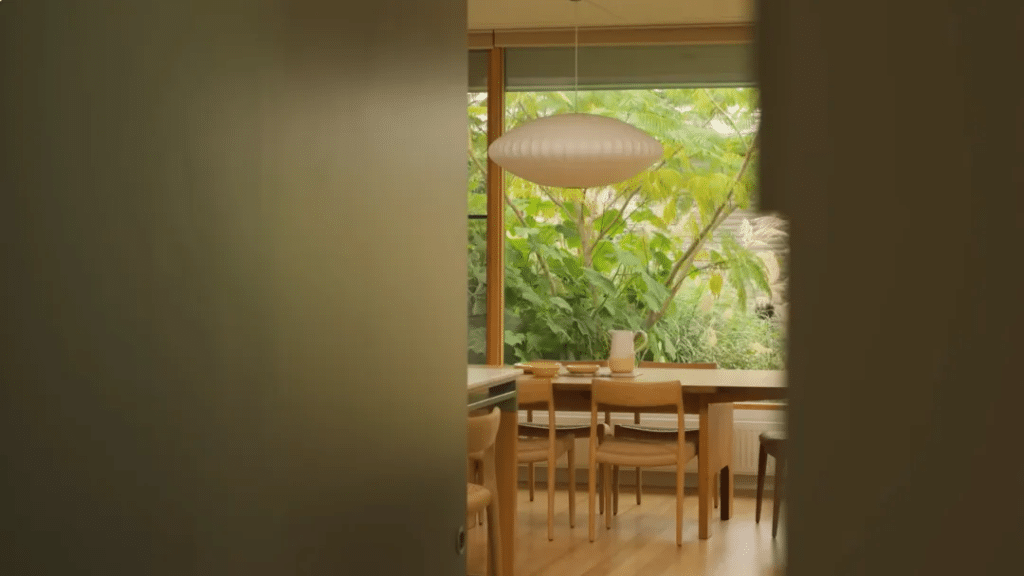
做了二十几年的建筑设计,这几年一直在探索“建筑空间如何与自然共处“这个方向。看到这个位于墨尔本北非茨罗伊社区的住宅的第一眼,就觉得这个住宅刚好是对“场域、光线、材质”最棒的理解。
关于场域:这个住宅基地并不宽裕,但在这个场域里,设计师模糊了房屋与景观的界限,居住者感觉到被自然包裹。边界反复地进退、消隐,不是为了造型,而是为了给植物留出呼吸的缝隙。建筑不再是隔绝自然的“盒子”,而是景观的延伸。
关于光:光线是整个空间的灵魂。整个住宅被大面积落地玻璃门窗围合,非常通透,两层通高的客厅处,光线从上部窗户照射进来的,空间非常明亮。而同时,局部大屋檐捕捉着跳动的叶影,阴影里却藏着静谧。这种明暗的韵律,是大脑最天然的“情绪调节剂”。
关于材质颜色:这个房子里主要材质是色泽温润的木材,大面积白色墙面,以及鼠尾草绿的橱柜。从神经科学的角度看,这些具有生命隐喻的材质,能最快抚平都市人的焦虑。
顺应环境,而非对抗环境, 这不仅是建筑的逻辑,更是生活的智慧。
After more than twenty years in architectural design, I’ve spent recent years exploring how architectural spaces can coexist with nature. The moment I saw this residence in the North Fitzroy community of Melbourne, I realized it represented the perfect understanding of “site, light, and materials”.
Regarding the site: This residential area isn’t very spacious. However, within this space, the designer blurred the boundaries between the buildings and the landscape, allowing residents to feel surrounded by nature. The boundaries shift and fade in and out, not for aesthetic purposes, but to create spaces where plants can thrive. The buildings are no longer “boxes” that separate people from nature, but rather extensions of the landscape itself.
About light: Light is the soul of any space. The entire residence is surrounded by large glass doors and windows, creating a very open and airy feel. In the two-story living room, light streams in through the upper windows, making the space exceptionally bright. At the same time, the overhanging eaves capture the dancing shadows of leaves, while the darkness within those shadows brings a sense of tranquility. This rhythm of light and shadow serves as the brain’s natural “emotional regulator”.
Regarding the material colors: The main materials used in this house are wood with a warm, soothing color. There are also large areas of white walls, along with cabinets in sage green. From a neuroscience perspective, these materials, which carry symbolic meanings related to life, can help alleviate urban dwellers’ anxiety quickly.
Adapting to the environment, rather than fighting against it, is not only the logic of architecture but also the wisdom of living.