Why We Crave Japandi Spaces: It’s What the Brain Loves! | XERLIFE+ Journal
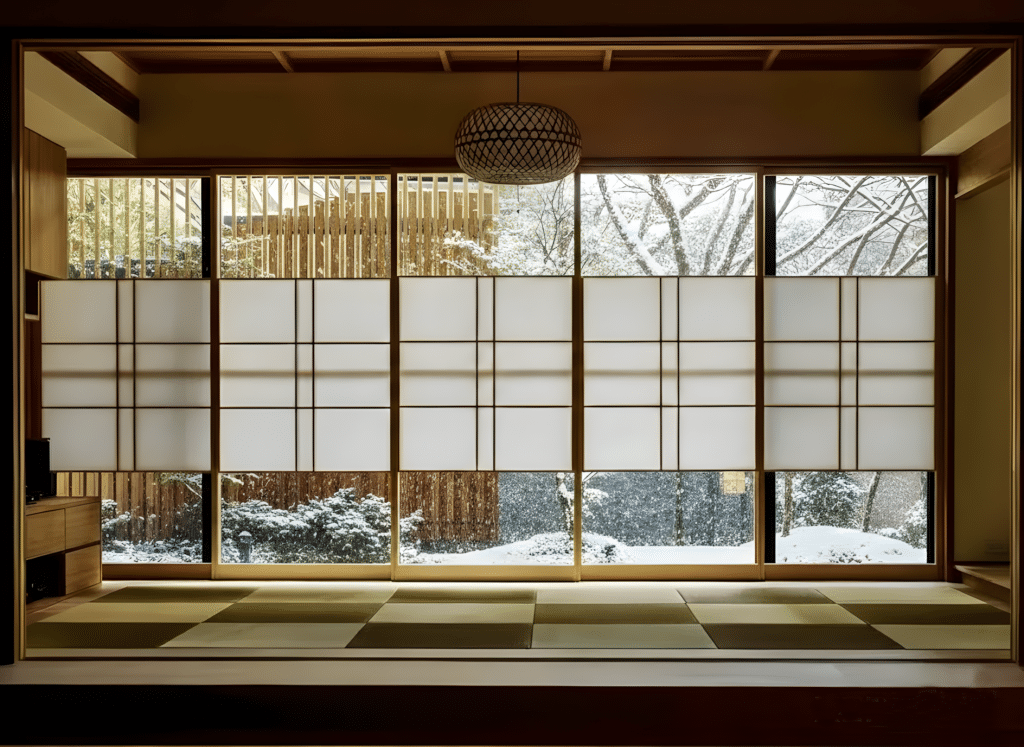
很多人喜欢日式空间的安静、留白、自然感,以前我以为那只是审美偏好,直到我把它放进神经科学的框架里,才发现——日式空间让人放松,是有科学依据的。
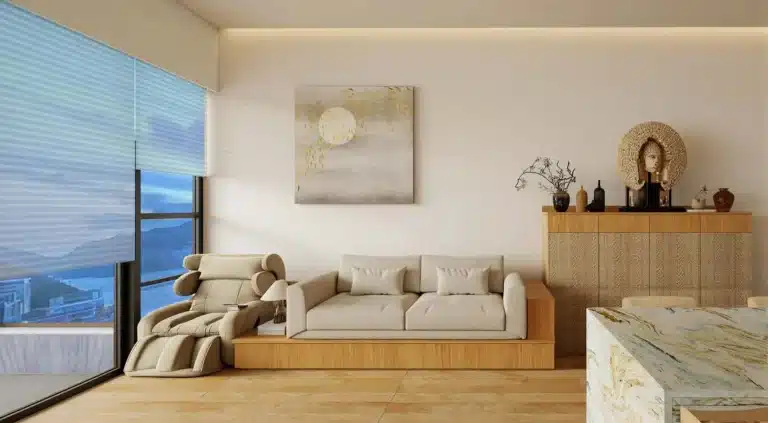
Many people love the tranquility, emptiness, and natural feel of Japandi spaces. I used to think it was just a matter of aesthetic preference, until I viewed it through the lens of Neuroscience. It turns out that the relaxation provided by Japanese-inspired spaces is grounded in scientific principles.
日式空间有两个核心特征:低刺激和可预测性。
Japandi design relies on two core pillars: Low Stimulation and Predictability.
- 低刺激:意味着大脑不需要处理过多信息。没有跳色、没有杂乱、没有强光,杏仁核的警觉反应就会下降,情绪自然回到平稳状态。
- Low Stimulation: This means the brain doesn’t have to process excessive information. Without jarring colors, clutter, or harsh lighting, the amygdala’s “alarm” response calms down, allowing emotions to return to a stable state.
- 可预测性:是神经系统最需要的安全感。色彩稳定、材质统一、线条简洁、动线清晰,这些都在告诉大脑:“这里不会突然出现新的刺激,你是安全的。”
- Predictability: This provides the sense of security our nervous system craves. Consistent colors, unified materials, and clear circulation tell the brain: “No sudden stimuli here; you are safe.”
日式空间里常用的留白,减少了前额叶的认知负荷,当视觉界面干净,大脑的判断力和清晰度都会恢复。
The “Void” or negative space commonly used in Japandi design reduces the cognitive load on the prefrontal cortex. When the visual interface is clean, our brain’s judgment and clarity are restored.
柔和的自然光、木材的触感、纸的透光性,看似审美,其实都在向自主神经系统传递同一个信号:安全、稳定、可以放松。
Soft natural light, the tactile warmth of wood, and the translucency of paper may seem like mere aesthetic choices, but they are actually signals to the autonomic nervous system: Security. Stability. Relaxation.
所以我们喜欢日式空间,不是因为它好看,而是因为它让大脑回到最自然最放松的状态。
Ultimately, we don’t love these spaces just because they look good; we love them because they return our brains to their most natural, restful state.