Yin and Yang Interact: Can’t Sleep at Night? Look at Your Lights First | XERLIFE+ Journal
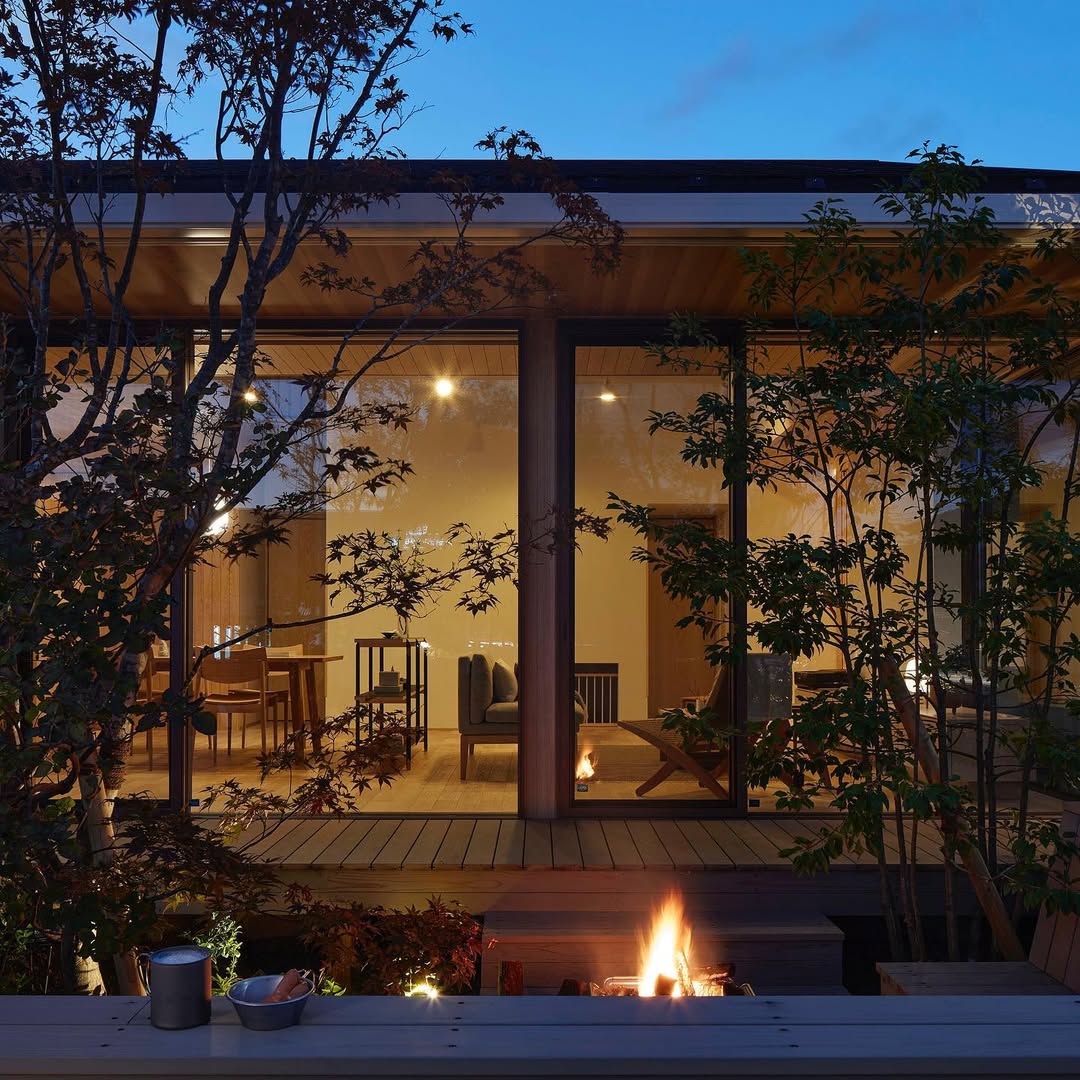
你有没有发现:白天忙得晕头转向,晚上回家却越来越精神?手机越刷越清醒,关了灯躺下,脑子还在高速运转。
这不是你自律的问题,是你家的”阴阳”乱了。
《道德经》第四十二章说:”万物负阴而抱阳,冲气以为和。”万物背阴而向阳,阴阳二气相冲,才达成和谐。阴与阳不是对立的敌人,而是交替的节拍。放到家里看:白天的光属阳,夜晚的暗属阴。一个家若只有阳没有阴——入夜后依旧灯火通明——人的节律就被悄悄打破了。
这不是玄学,是神经科学。
人的眼睛里,除了看东西的视锥、视杆细胞,还有一种特殊感光细胞,叫 ipRGCs。它不负责成像,只做一件事:把”亮不亮、什么色温”直接报告给大脑深处的下丘脑——掌管昼夜节律的总部。这条通路不进大脑皮层,不经理性判断,是身体最原始的”光表”。白天收到明亮的光,下丘脑下令分泌皮质醇,让你清醒;入夜后光变暗、色温变低,它才放行褪黑素,让你发困。
也就是说:你几点能睡着,不取决于意志,取决于眼睛最后看见了什么光。这就是”冲气以为和”的现代版——光的阴阳平衡了,人自然就安。
怎么设计一个”懂阴阳”的家?三个手法:
第一,入夜后的光隔离。主照明只在需要时亮。睡前两小时调暗客厅灯,关掉顶灯,只留落地灯和壁灯的暖光——让家像日落一样,从亮堂慢慢退到昏暗。
第二,低色温、低位照明。色温越低越接近烛火,灯位越低越接近地面。低处的光让人松弛,头顶的强光让人警觉。卧室尽量不用吸顶灯,改用床头灯、感应地脚灯。
第三,主动”模拟日落”。智能灯设个场景:晚上八点后自动降色温、降亮度,十点后只留微光。这不是矫情,是给下丘脑递一份”该睡了”的奏折——成本不高,收益却是每晚的好眠。
阴阳不是哲学名词,是你家灯光的开关顺序。你的灯光设计,其实是在替下丘脑排班:白天亮得够,夜晚暗得透,身体自然会跟上——这就是”负阴抱阳”最日常的版本。
你的家不是用来看的,是用来养你的大脑的。
Have you noticed: after a day of dizzying busyness, you come home at night and feel more and more awake? The more you scroll, the more alert you become; when you turn off the light and lie down, your mind is still running at full speed.
This is not a self-discipline problem — your home’s “yin and yang” are out of order.
Chapter 42 of the Tao Te Ching says: “All things carry yin on their backs and embrace yang; the two breaths surge and merge into harmony.” Yin and yang are not opposing enemies — they are alternating beats. Applied to the home: daylight belongs to yang, night darkness to yin. A home with only yang and no yin — blazing bright even after nightfall — quietly breaks your rhythm.
This isn’t mysticism — it’s neuroscience.
In the human eye, besides the cones and rods used for vision, there is a special class of light-sensitive cells called ipRGCs. They don’t form images; they do one thing: report “how bright, what color temperature” directly to the hypothalamus deep in the brain — headquarters for circadian rhythm. This pathway bypasses the cerebral cortex and rational judgment; it is the body’s most primitive “light meter.” Bright light during the day orders the hypothalamus to release cortisol, keeping you alert; after dark, when light dims and color temperature drops, it finally releases melatonin and lets you feel sleepy.
In other words: what time you fall asleep depends not on willpower, but on what light your eyes last saw. This is the modern version of “the two breaths surge and merge into harmony” — when the yin and yang of light are balanced, people naturally settle.
How do you design a home that “understands yin and yang”? Three techniques:
First, isolate light after nightfall. Main lighting only when needed. Two hours before bed, dim the living room, turn off the ceiling light, and keep only the warm glow of floor lamps and sconces — let the home, like a sunset, recede gradually from bright to dim.
Second, low color temperature, low position. The lower the color temperature, the closer to candlelight; the lower the lamp, the closer to the ground. Low light relaxes; strong light overhead alerts. In the bedroom, avoid ceiling lights — use bedside lamps and motion-sensing floor lights instead.
Third, actively “simulate sunset.” Set a smart-lighting scene: after 8 p.m., automatically lower color temperature and brightness; after 10 p.m., leave only a faint glow. This isn’t fussiness — it’s handing the hypothalamus a memorial reading “time to sleep.” The cost is low; the reward is good sleep every night.
Yin and yang are not philosophical terms — they are the switching sequence of your home’s lights. Your lighting design is actually scheduling shifts for the hypothalamus: bright enough by day, dark enough by night, and the body follows on its own — this is the most everyday version of “carrying yin and embracing yang.”
Your home is not for looking at — it is for nurturing your brain.