Touch: The Forgotten Dimension of Space | XERLIFE+ Journal
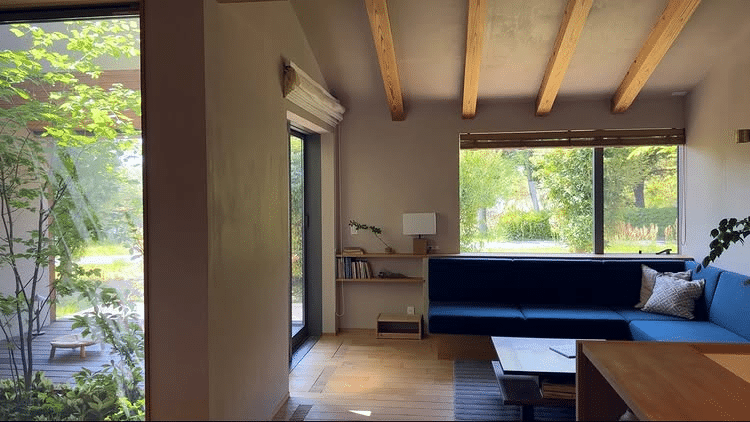
设计师谈空间:视觉(颜色)、听觉(隔音)、嗅觉(新风系统)。很少人谈触觉。但你的皮肤是你身体最大的器官——它在时刻感受所处环境。羊毛地毯 vs 化纤地毯。赤脚踩上去的那个瞬间,你的大脑已经做出判断了。
触觉通路直达情绪中枢
触觉信息不是走”思考”路线。它从皮肤感受器→脊髓→丘脑→直接到岛叶和杏仁核——绕过了前额叶。你的手摸到什么,在你意识到”这是什么”之前,情绪已经产生了反应。这就是为什么踩到化纤地毯和踩到羊毛地毯,体验完全不同。
不同材质的神经信号
粗糙表面(麻、未打磨木头):激活警觉系统。适合需要专注的空间。光滑表面(丝、磨光石材):激活放松系统。适合休息空间。温暖表面(木材、羊毛、棉):促进催产素分泌。适合社交空间。冰冷表面(金属、玻璃、瓷砖):抑制催产素。不适合卧室和客厅。
设计师的触觉清单
家里至少有三种触觉层次:地板赤脚走一遍,脚感温暖柔软。沙发扶手用手摸一圈,没有冰冷感。床上用品趴在脸上蹭一下,不扎不闷。触觉是空间体验中最被低估的维度,也是最直接的。因为你不是在看你的家——你是在触摸你的家。
Designers talk about space in terms of vision (color), hearing (soundproofing), and smell (ventilation systems). Rarely does anyone discuss touch. Yet your skin is your body’s largest organ — it is constantly sensing the environment you’re in. Wool carpet vs. synthetic carpet. The moment your bare foot steps on it, your brain has already made its judgment.
The Tactile Pathway Goes Straight to the Emotional Center
Tactile information doesn’t take the “thinking” route. It goes from skin receptors → spinal cord → thalamus → directly to the insula and amygdala — bypassing the prefrontal cortex. Whatever your hand touches, before you consciously realize “what this is,” an emotional response has already been triggered. This is why stepping on synthetic carpet versus wool carpet feels completely different.
Neural Signals of Different Materials
Rough surfaces (linen, unfinished wood): activate the alertness system. Suitable for spaces requiring focus. Smooth surfaces (silk, polished stone): activate the relaxation system. Suitable for rest spaces. Warm surfaces (wood, wool, cotton): promote oxytocin secretion. Suitable for social spaces. Cold surfaces (metal, glass, tile): suppress oxytocin. Not suitable for bedrooms and living rooms.
A Designer’s Tactile Checklist
Your home should have at least three tactile layers: Walk barefoot across the floor — it should feel warm and soft underfoot. Run your hand along the sofa armrest — no cold sensation. Press your face into the bedding — not scratchy, not stifling. Touch is the most underestimated dimension of spatial experience, and also the most direct. Because you’re not looking at your home — you’re touching your home.