Why Your Study Makes You Inefficient: The Cognitive Load Theory of Space | XERLIFE+ Journal
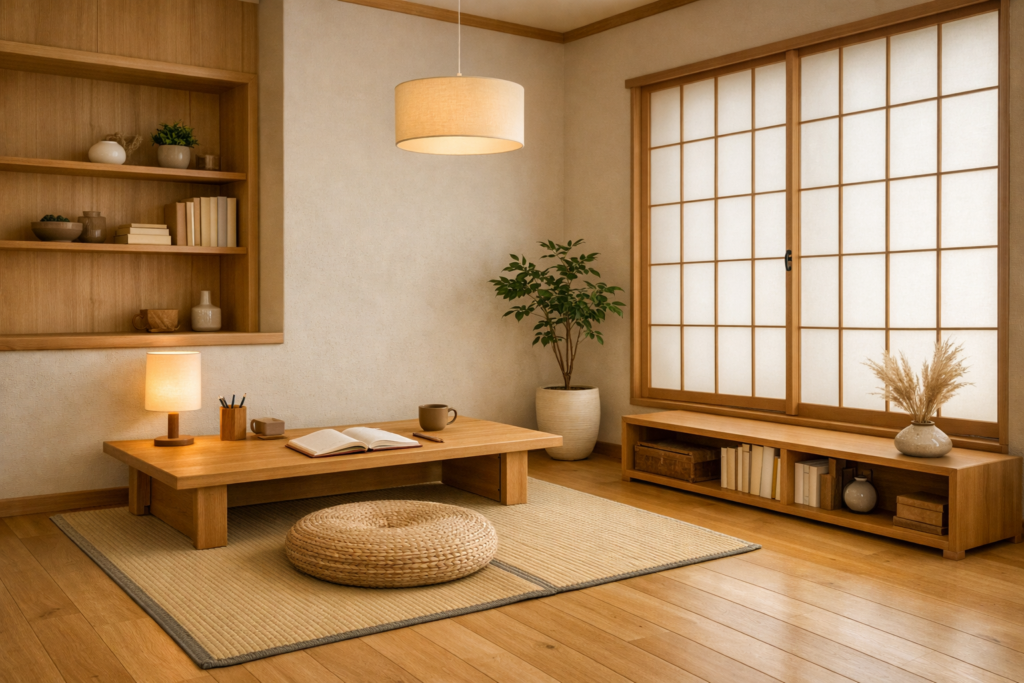
你买了一万块的升降桌、三千块的工学椅、两块显示器——然后发现还是不想进书房。因为书房犯了”认知负荷超载”。
什么是认知负荷
认知负荷(Cognitive Load)是前额叶同时处理的信息量。每一样你看到的东西都在消耗这个容量:没拆的快递、堆着的文件、书架上没翻过的书。这些东西发的是同一种信号:未完成。大脑对”未完成”极度敏感——这是蔡格尼克效应(Zeigarnik Effect)。未完成的任务会在工作记忆中持续占据空间,让你明明坐在桌前,脑子却在想”那个快递该拆了”。
在神经科学中叫”注意残留”(Attention Residue)——当你切换任务时,上一个任务的注意力碎片会残留在工作记忆中,降低当前任务的认知性能。
好的书房 = 认知负荷管理
进入书房前清场:桌面上只留当前任务需要的三样东西,其他一切(包括手机)放到视线之外。关闭所有浏览器标签页,只留一个。墙上不要贴便利贴、日程表、激励海报——这些全是认知负荷炸弹。单向视觉是最好的深度工作环境:面对窗户或白墙,但不要面对走廊或房间内——减少无意中的视觉打断。
最优方案是面对白墙。听起来无聊?对的。无聊的前额叶才是最高效的前额叶。你的书房不是showroom,是大脑的清修室。
You bought a standing desk for ten thousand yuan, an ergonomic chair for three thousand, and two monitors — and then you discovered you still don’t want to go into your study. Because your study is suffering from “cognitive overload.”
What Is Cognitive Load
Cognitive load is the amount of information the prefrontal cortex processes simultaneously. Everything you see consumes this capacity: unopened packages, piles of documents, unread books on the shelf. All of these send the same signal: unfinished. The brain is extremely sensitive to “unfinished” — this is the Zeigarnik Effect. Unfinished tasks continuously occupy space in working memory, making you sit at your desk while your mind thinks, “I should open that package.”
In neuroscience, this is called “Attention Residue” — when you switch tasks, fragments of attention from the previous task remain in working memory, reducing the cognitive performance of the current task.
A Good Study = Cognitive Load Management
Clear the field before entering your study: leave only three items needed for the current task on the desk — everything else (including your phone) goes out of sight. Close all browser tabs, keep only one. Don’t put sticky notes, schedules, or motivational posters on the wall — these are all cognitive load bombs. One-directional vision is the best deep work environment: face a window or a blank wall, but don’t face a hallway or into the room — reduce unintentional visual interruptions.
The optimal solution is facing a blank wall. Sounds boring? Exactly. A bored prefrontal cortex is the most efficient prefrontal cortex. Your study is not a showroom — it’s your brain’s meditation chamber.