Empty the Mind, Hold Stillness: A Quieter Home, A More Active Brain | XERLIFE+ Journal
你有没有这种经历:越想越乱的问题,洗澡时突然想通了;憋了一天的方案,散步时忽然冒了出来;睡一觉醒来,昨天的烦恼自动有了答案。是巧合吗?不是。是你的大脑终于”闲”下来了,然后替你干完了最难的活。
老子在《道德经》第十六章说:”致虚极,守静笃。”意思是:把内心放空到极致,守住那份宁静。万物在眼前生长运行,我只需静静观察它们的循环往复。虚和静,不是空白,是让一切自然发生的状态。
“虚”和”静”,现代脑科学里有个专门的名字:默认模式网络(DMN)。当你不盯手机、不处理任务、没有明确目标的时候,大脑并没有关机——它启动了一套”后台系统”,负责整合记忆、梳理情绪、产生联想和灵感。研究普遍发现,那些”灵光一现”的时刻,大多发生在默认模式网络活跃的时候;而这种状态下,大脑也会更多地呈现出放松而清醒的α波节律。相反,持续的高刺激环境会一直压制这套系统,让大脑停在”待命”状态,消耗能量却产不出东西,人也会越来越烦。
换句话说:你不给大脑留白,大脑就没机会替你干活。所以,安静不是没声音,是给大脑放假。
所以,家里一定要有”虚”和”静”的空间,而且要设计得让家人愿意去用。
第一,设一个冥想角。窗边一把椅子、一个蒲团,什么都不放。它的存在,就是让你每天坐十分钟,什么都不做。角落里越空,越坐得住。坐不住的十分钟,刷手机的两小时,这笔账大脑算得清。
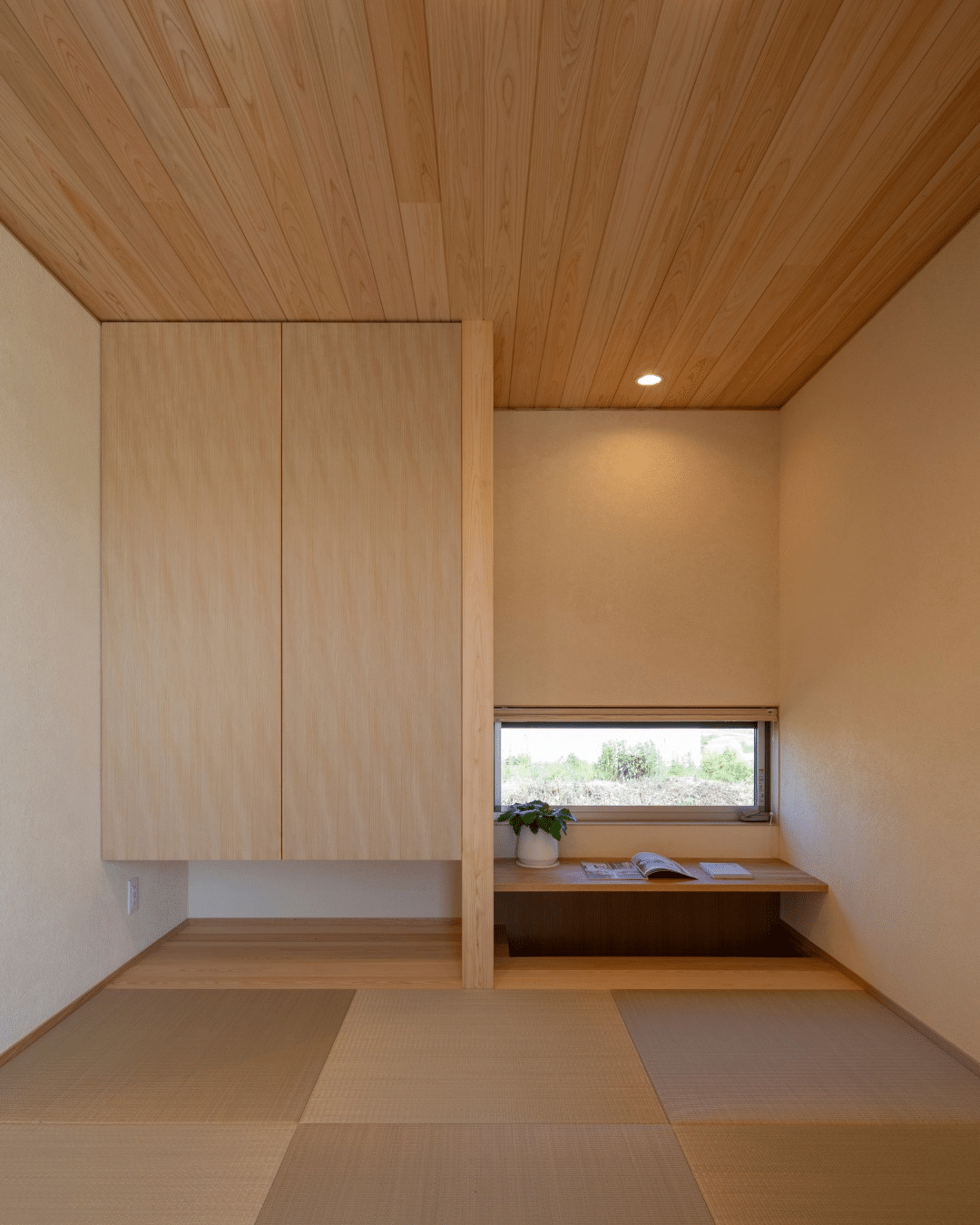
第二,留一个安静角落。离电视、厨房、动线最远的地方,一张小桌、一盏低瓦数暖光。它不是书房,是”停机坪”——专门用来停靠你满负荷运转的大脑。
第三,控制刺激总量。低饱和的墙面、少量的装饰、能关上的柜门——让视线所及处”无事发生”,大脑才切得进默认模式。家里留白越多,脑子里的空白越多,灵感才有地方落脚。
第四,卧室不放电子设备。屏幕的光和通知的响声,是”静”最大的敌人。睡前一小时,让卧室回到只有灯和床的状态,睡眠质量会肉眼可见地变好——这也是一种”守静”:守住夜晚的静,白天的你才有得用。
守静不是什么都不做,而是让大脑做它最该做的事。把家设计成能发呆的地方,你会发现自己变聪明了。
你的家不是用来看的,是用来养你的大脑的。
Have you ever had this experience: a problem that only grew more tangled the more you thought about it suddenly resolved itself in the shower; a plan that eluded you all day surfaced during a walk; waking up from sleep, yesterday’s worries already had answers. Coincidence? No. It’s because your brain finally got “idle” — and then did the hardest work for you.
In Chapter 16 of the Tao Te Ching, Laozi says: “Empty the mind to the utmost, hold fast to stillness.” Empty your inner world to the extreme, and keep that quiet. All things grow and move before your eyes; you need only quietly observe their cycles. Emptiness and stillness are not blankness — they are the state in which everything happens naturally.
“Emptiness” and “stillness” have a specific name in modern brain science: the Default Mode Network (DMN). When you’re not staring at your phone, not handling tasks, without a clear goal, the brain does not shut down — it starts a “background system” responsible for integrating memories, sorting emotions, and generating associations and insights. Research consistently finds that moments of “sudden inspiration” mostly occur when the DMN is active; in this state, the brain also shows more relaxed-yet-alert alpha wave rhythms. Conversely, a persistently high-stimulation environment keeps suppressing this system, leaving the brain in “standby” — burning energy while producing nothing, and making you increasingly irritable.
In other words: if you don’t give your brain white space, your brain never gets the chance to work for you. So stillness is not the absence of sound — it is a vacation for the brain.
So your home must have space for “emptiness” and “stillness” — and it must be designed so that your family actually wants to use it.
First, set up a meditation corner. A chair by the window, a cushion — nothing else. Its sole purpose is to have you sit for ten minutes a day doing nothing. The emptier the corner, the easier it is to sit. Ten minutes you can’t sit through versus two hours of scrolling — the brain does the math.
Second, keep a quiet corner. The spot farthest from the TV, kitchen, and traffic paths: a small table, a low-wattage warm lamp. It’s not a study — it’s a “landing pad,” built to park your overloaded brain.
Third, control total stimulation. Low-saturation walls, minimal decor, cabinet doors that close — let nothing “happen” in your field of vision, and the brain can switch into default mode. The more white space at home, the more blank space in your head, and the more room inspiration has to land.
Fourth, keep electronics out of the bedroom. The glow of screens and the chime of notifications are the greatest enemies of “stillness.” One hour before sleep, return the bedroom to nothing but lamp and bed — sleep quality will visibly improve. This, too, is a kind of “holding stillness”: guard the quiet of the night, and the daytime you will have something to draw on.
Holding stillness is not doing nothing — it is letting the brain do what it does best. Design your home as a place where you can stare into space, and you’ll find yourself getting smarter.
Your home is not for looking at — it is for nurturing your brain.