The Science of Living Alone: Keeping Your Brain from Loneliness | XERLIFE+ Journal
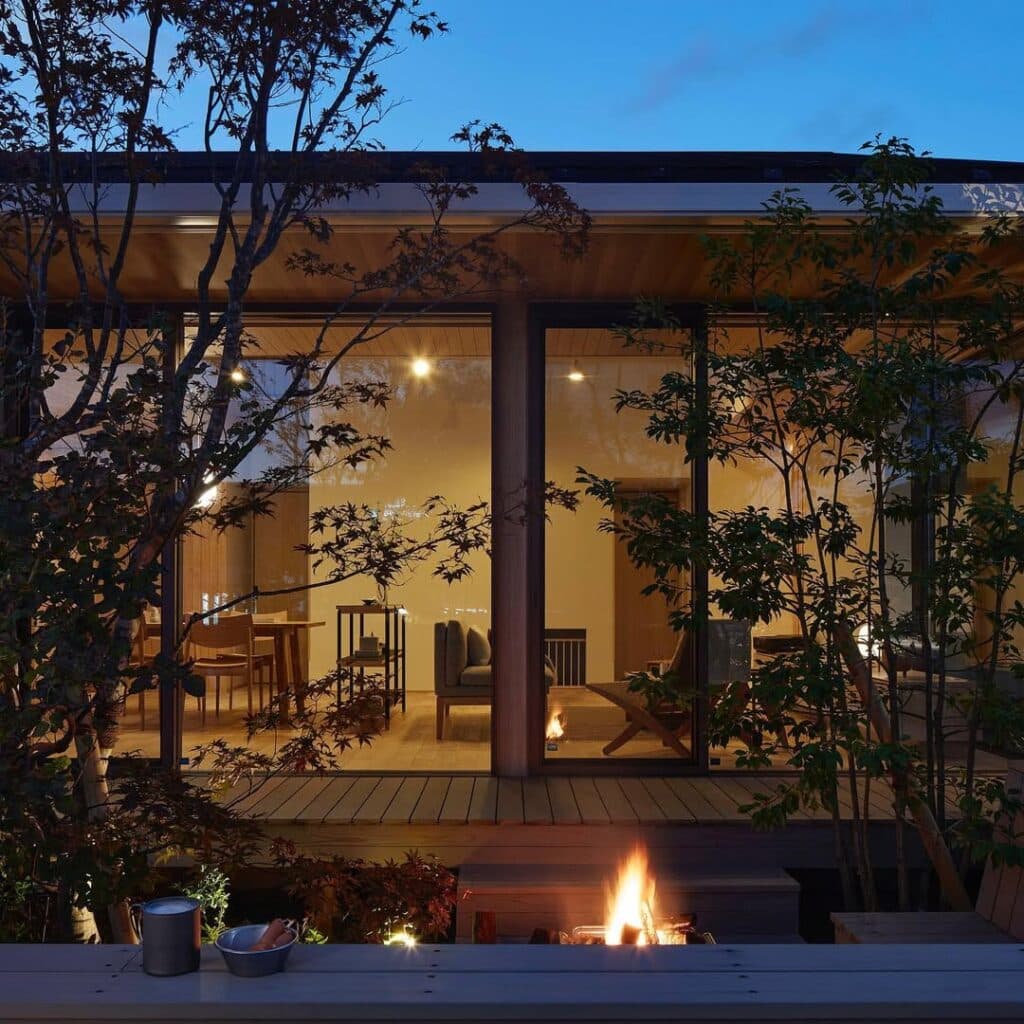
一个人住最大的问题不是没人说话——是大脑的”社交信号”全部消失了。但社交信号不只是人的声音和面孔。空间本身可以发出”你不孤独”的信号。
视觉上要有”他人的痕迹”
书桌上放家人照片、墙上朋友寄的明信片、书架上有朋友送的礼物。大脑看到这些东西时,镜像神经元会激活——它模拟了你和这些人互动时的感觉。不是它们美,是它们在提醒你的大脑:”有人在乎你”。
声音上要有”生命的声音”
完全安静会激活威胁系统。放一个桌面小水景(流水声)、养一条鱼(气泡声)、开一个低音量播客(人声)。这些声音告诉你的爬虫脑:”环境中有生命活动,你是安全的”。
嗅觉上要有”家的味道”
选一种固定气味(薰衣草/柑橘),只在你的空间里用。三个月后,嗅觉皮层建立关联:这个味道 = 家 = 安全。你出差时带一小瓶,同样味道的酒店房间也能提升睡眠质量。
一张舒服的单人沙发
一个人住最值得投资的东西——不是大电视。是一张舒服到你可以蜷在里面睡着单人扶手椅。配一个小边几,一盏落地灯。这个角落会变成你最稳定的情绪锚点。不需要任何人来,你在这个角落就够了。独居不是被动的”没人陪”。是主动的”我一个人,也可以很完整”。
The biggest problem with living alone isn’t having no one to talk to — it’s that the brain’s “social signals” all disappear. But social signals aren’t only human voices and faces. Space itself can broadcast “you’re not alone.”
Visually, Keep “Traces of Others”
Family photos on the desk, postcards from friends on the wall, gifts from friends on the shelf. When the brain sees these things, mirror neurons activate — simulating the feeling of interacting with those people. It’s not that they’re beautiful; it’s that they remind your brain: “someone cares about you.”
Acoustically, Keep “Sounds of Life”
Total silence activates the threat system. Add a small desktop water feature (flowing water), keep a fish (bubbles), or play a low-volume podcast (human voice). These sounds tell your reptile brain: “there is life activity around you, you are safe.”
Olfactorily, Keep “the Smell of Home”
Pick one fixed scent (lavender or citrus) and use it only in your space. After three months, the olfactory cortex builds the association: this scent = home = safety. Bring a small bottle when you travel — a hotel room with the same scent can improve your sleep quality too.
One Really Comfortable Armchair
The best investment for someone living alone — not a big TV. It’s an armchair comfortable enough to curl up and fall asleep in. Add a small side table and a floor lamp. This corner becomes your most stable emotional anchor. You don’t need anyone else — in this corner, you’re enough. Living alone isn’t passive “no one’s with me.” It’s active: “alone, and complete.”