All Things Flourish, I Observe Their Return: Staring Out the Window Is Charging Your Brain | XERLIFE+ Journal
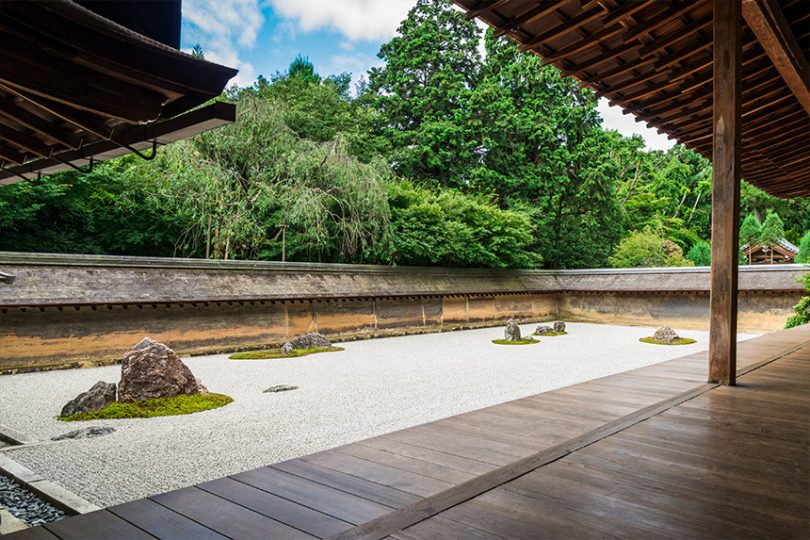
你有没有过这种时刻:烦到不行的时候,往窗外看一会儿树,心里就慢慢静下来了。会不会觉得自己在偷懒?
其实,这是大脑在自我修复。
老子在《道德经》第十六章说:”致虚极,守静笃。万物并作,吾以观复。”让内心虚空到极致,守住宁静。万物蓬勃生长,我只看它们的循环往复——花开了又谢,叶子绿了又黄。老子对付世界的方式不是干预,是”观”:从循环里,获得一种稳稳的安心。
这个”观”,脑科学真的研究过。注意力恢复理论(Attention Restoration Theory)认为:人长时间专注一件事,用的是”方向性注意”,这部分资源会疲劳;而看树、看云、看水,用的是另一种不费力的注意——它不需要抑制干扰,能让疲劳的注意力系统得到真正的恢复。研究普遍发现,经常能看到自然景象的人,压力更低、恢复得更快。换句话说:专注会消耗,观看会补充——这就是发呆之后,人反而更清醒的原因。
所以”观复”不是文艺,是刚需。家里的设计,应该为”观”留位置:
第一,把最好的窗景留给常坐的位置。如果窗外有树,别用厚重的窗帘把它遮死。沙发、餐桌、书桌,哪个最常坐,就让它对着窗外。
第二,设一个”四季观察位”。在窗边或阳台放一把固定的椅子,同一扇窗,看春天发芽、夏天浓荫、秋天落叶、冬天光枝。位置固定,变化才看得见——这就是”观复”的日常版。
第三,阳台留一块”自然站”。哪怕只有几盆植物,也够站一站、看一看。观察一片新芽、一片落叶,是微缩版的”观复”。
第四,观察时,把手机放下。”观”是眼睛和自然的直接对话,中间隔一块屏幕,就只剩刷了。哪怕每天只看五分钟,它也是大脑一天里最便宜的修复。
万物并作,吾以观复。你家不需要多大,只要有一扇窗,能让你的大脑定期回到自然里”充电”。
你的家不是用来看的,是用来养你的大脑的。
Have you ever had this moment: when you’re at your wit’s end, you look out the window at the trees for a while, and your heart slowly calms. Do you feel like you’re slacking off?
In fact, this is the brain repairing itself.
In Chapter 16 of the Tao Te Ching, Laozi says: “Empty the mind to the utmost, hold fast to stillness. All things flourish together, and I observe their return.” Flowers bloom and wither; leaves turn green and yellow. Laozi’s way of dealing with the world is not intervention — it is “observation”: from cycles, he gains a steady reassurance.
This “observation” has actually been studied by brain science. Attention Restoration Theory holds that sustained concentration draws on “directed attention,” a resource that fatigues; while looking at trees, clouds, and water uses a different, effortless kind of attention — one that requires no suppression of distraction and allows the fatigued attentional system to genuinely recover. Research consistently finds that people who can regularly see natural scenes have lower stress and recover faster. In other words: concentration depletes, observation replenishes — this is why people feel clearer-headed after staring into space.
So “observing the return” is not artsy — it’s a basic need. Home design should reserve places for “observation”:
First, give the best window view to the seat you use most. If there are trees outside, don’t kill them with heavy curtains. Which is used most — the sofa, the dining table, or the desk? Point it at the window.
Second, set up a “four-seasons observation seat.” A fixed chair by the window or on the balcony — through the same pane, watch spring’s sprouts, summer’s shade, autumn’s falling leaves, winter’s bare branches. When the position is fixed, change becomes visible — this is “observing the return” in daily form.
Third, keep a “nature stop” on the balcony. Even a few potted plants are enough to stand and look at. Watching a new shoot or a fallen leaf is a miniature version of “observing the return.”
Fourth, put the phone down when you observe. “Observation” is a direct dialogue between the eyes and nature; slip a screen in between, and it becomes scrolling. Even five minutes a day is the cheapest repair your brain can buy.
All things flourish; I observe their return. Your home doesn’t need to be large — it needs one window that lets your brain regularly return to nature to “recharge.”
Your home is not for looking at — it is for nurturing your brain.