The Magic of Symmetry: Why Humans Are Wired to Find Symmetry Beautiful | XERLIFE+ Journal
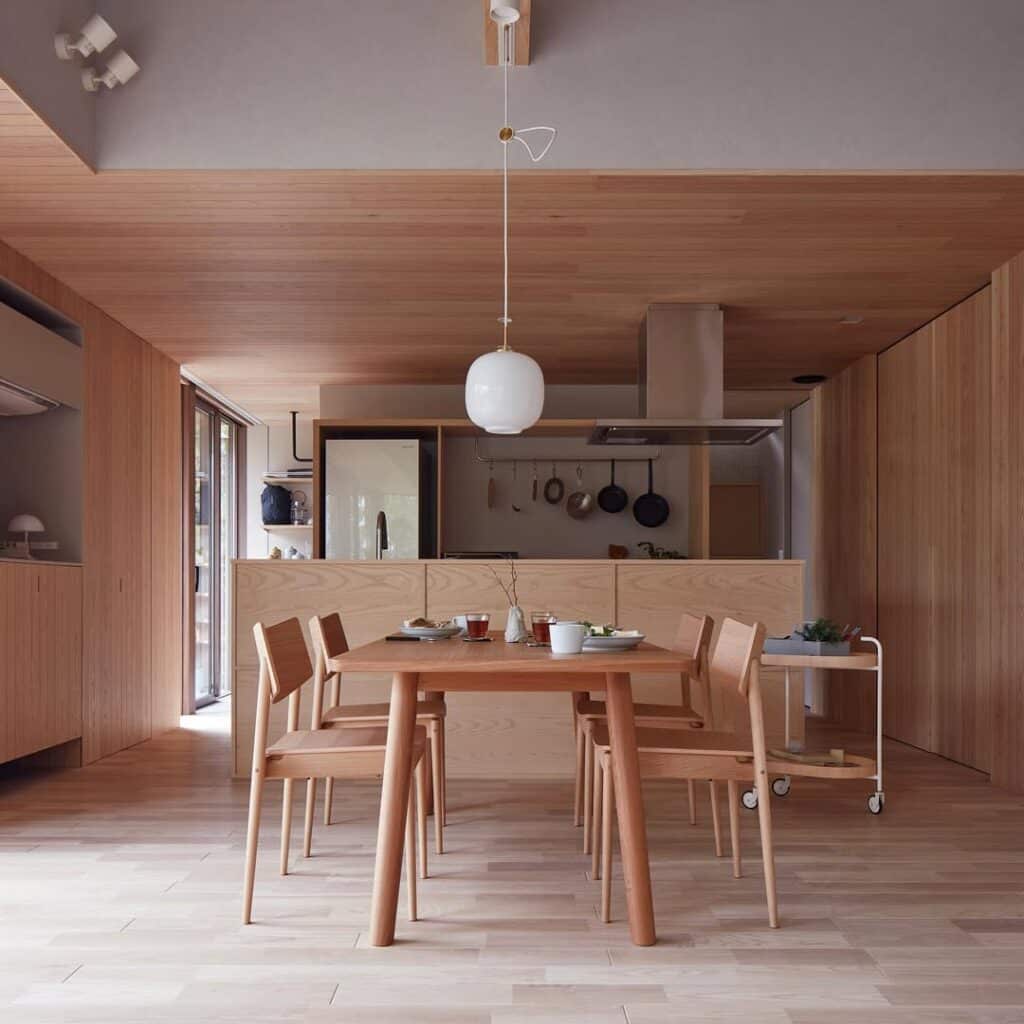
你有没有注意到:走进故宫,舒服。走进一个左右完全不对称的房间,别扭。
这不是审美偏好。是神经系统的”节能模式”。对称 = 可预测 = 安全。人的视觉皮层在处理对称画面时,神经元的放电模式更简洁、更省能量。因为对称意味着”左半边的信息已经告诉你了右半边是什么”——大脑不需要再处理一遍。
这叫做”加工流畅性”(Processing Fluency)。加工越流畅的东西,大脑越喜欢。对称的东西加工流畅性最高。研究表明:受试者看对称面孔的时间比不对称面孔短40%——不是不好看,是”看懂了,不用再看”。这种高效处理带来的愉悦感,就是我们说的”美”。
对称的极限
但完全对称(镜像对称)也有问题:太可预测了。脑干会认为”这个环境没有新信息”,注意系统关闭——你开始走神、无聊。所以最好的对称是”动态对称”——整体轴线明确,但细节有变化。
怎么做
客厅沙发区:左右各一盏落地灯,但一盏高点一盏矮点,灯罩不一样。床两侧:各一个床头柜,但上面的东西不同——一边是书和水杯,一边是台灯和植物。玄关:进门左右各一个柜子,但一面是鞋柜一面是换鞋凳。
记住:对称给大脑安全感。不对称给大脑新鲜感。好的设计是80%对称 + 20%变化。
Have you ever noticed? Walking into the Forbidden City feels comfortable. Walking into a completely asymmetrical room feels unsettling. This is not an aesthetic preference — it is your nervous system’s “energy-saving mode.”
Symmetry = Predictable = Safe. When the visual cortex processes symmetrical images, neurons fire in simpler, more efficient patterns. Symmetry means “the left half has already told you what the right half looks like” — the brain does not need to process it twice.
This is called “Processing Fluency.” The more fluently processed, the more the brain likes it. Research shows that subjects spend 40% less time looking at symmetrical faces compared to asymmetrical ones — not because they are unattractive, but because the brain says “I get it, no need to look further.” This efficient processing produces the pleasure we call “beauty.”
The Limit of Symmetry
But perfect mirror symmetry has a problem: it is too predictable. The brain stem decides “no new information here,” and the attention system shuts down — you get distracted and bored. The best solution is “dynamic symmetry” — a clear central axis with detailed variations.
How to Apply It
Living room sofa area: floor lamps on both sides, but one taller and one shorter with different shades. Bedside: nightstands on both sides with different items — books and a water glass on one side, a lamp and plant on the other. Entryway: cabinets on both sides, but one for shoes and one as a bench.
Remember: symmetry gives the brain security. Asymmetry gives the brain novelty. Great design is 80% symmetry + 20% variation.