The Living Room: A Mirror of Family Relationships | XERLIFE+ Journal
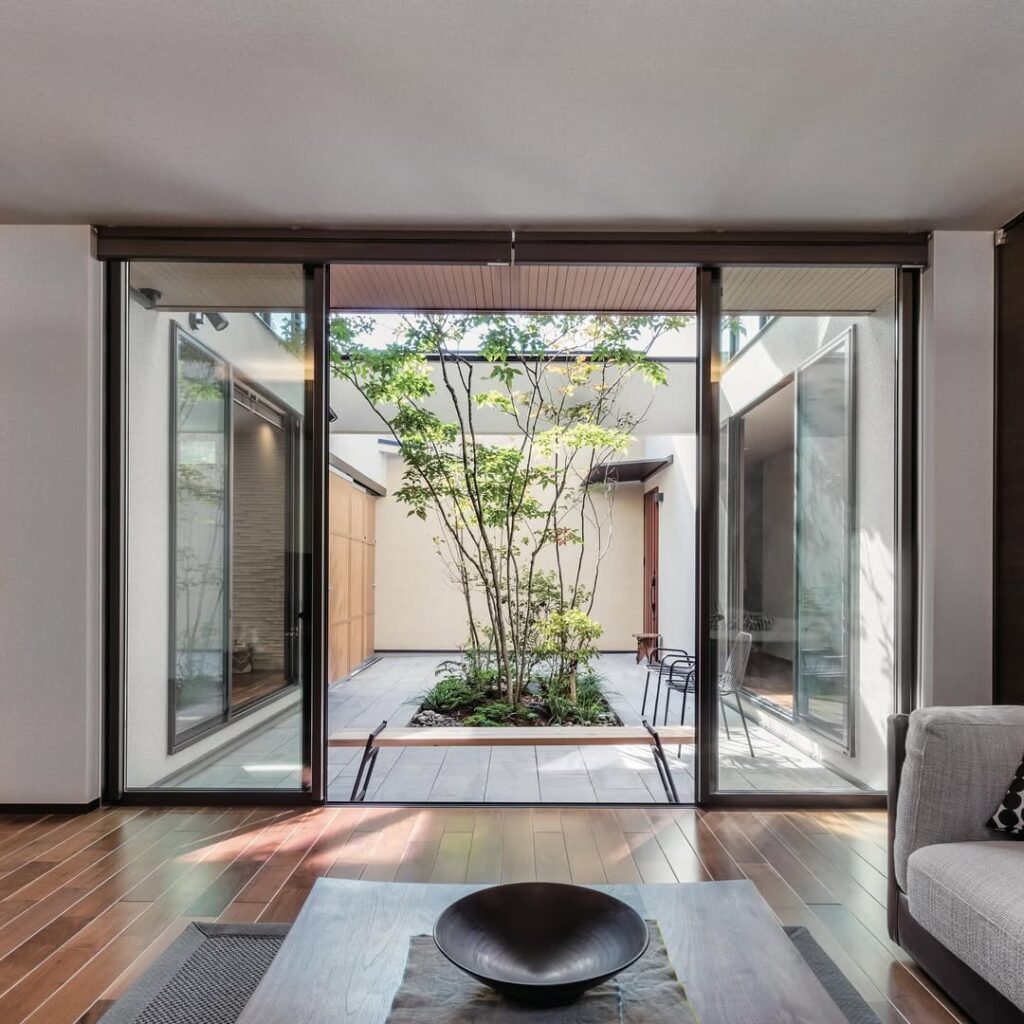
客厅是一个家庭里最被高估的空间——也是最被低估的空间。被高估,因为它通常是家里最大、最贵的房间。被低估,因为很少有人想过:客厅的布局在决定你们的家庭关系。
沙发的神经科学
传统的客厅布局:一张三人沙发面对电视墙。这个布局隐含一个信息:家庭互动的焦点是屏幕,不是彼此。从神经科学角度,当家庭成员并排坐、视线共同朝向屏幕时,催产素(社交联结激素)的分泌水平最低——因为你们没有眼神接触。
最优的家庭互动布局是”围坐式”:两张双人沙发呈L型或面对面摆放,中间一张低茶几。这个布局模拟了人类最早的社交场景——篝火旁。围坐时,人与人之间的眼神接触频率提高4-6倍,催产素分泌自然增加。围坐不仅仅是在聊天——它创造了一种”群体安全场”,每个人的余光都能看到其他人的表情和动作,共同建立”此刻是安全的”的神经信号。
电视要不要?不是不要,是不要当主角。把电视藏进柜子里,或放在非焦点墙。让客厅的中心回归到”看彼此”,而不是”看屏幕”。
客厅的本质:客厅不是用来展示家具有多大、电视有多贵的。客厅是一个家庭每天重新确认”我们在一起”的地方。最好的客厅设计,是你坐在里面,自然就想跟旁边的人说话。
The living room is the most overrated space in a home — and also the most underrated. Overrated because it’s usually the largest and most expensive room. Underrated because few people ever consider: the living room layout is shaping your family relationships.
The Neuroscience of the Sofa
The traditional living room layout: a three-seater sofa facing the TV wall. This layout implies a message: the focal point of family interaction is the screen, not each other. From a neuroscience perspective, when family members sit side by side with their gaze directed at the screen, oxytocin (the social bonding hormone) secretion is at its lowest — because you have no eye contact.
The optimal family interaction layout is the “encircling seating” arrangement: two two-seater sofas in an L-shape or facing each other, with a low coffee table in the middle. This layout mimics humanity’s earliest social scenario — around the campfire. When seated in a circle, eye contact frequency between people increases 4-6 times, and oxytocin secretion naturally rises. It’s more than just chatting — it creates a “group safety field” where everyone’s peripheral vision catches others’ expressions and movements, collectively establishing the neural signal that “this moment is safe.”
Should you have a TV? It’s not about not having one — it’s about not making it the protagonist. Hide the TV in a cabinet or place it on a non-focal wall. Let the living room’s center return to “looking at each other” rather than “looking at a screen.”
The essence of the living room: It’s not for displaying how big your furniture is or how expensive your TV is. The living room is where a family reconfirms “we are together” every day. The best living room design is one where, sitting inside, you naturally want to talk to the person next to you.