Light Without Glare: The Comfortable Home Hides Its Lamps | XERLIFE+ Journal
你有没有过这样的时刻:白天在办公室盯了一天屏幕,晚上回家一开灯,眼睛突然酸得睁不开?或者去朋友家做客,客厅亮得像个摄影棚,坐半小时就莫名烦躁,只想快点走。说不上哪里不对,但就是待不住。
问题往往不在灯的亮度,而在灯的”态度”。
老子在《道德经》第五十八章说:”是以圣人方而不割,廉而不刿,直而不肆,光而不耀。”意思是:有棱角却不伤人,锋利却不割手,正直却不放肆,明亮却不刺眼。最后四个字——光而不耀——说的就是最高级的照明:光很足,但不耀目。
为什么”不耀”这么重要?因为眼睛对亮度的承受力,掌握在瞳孔手里。光线强,瞳孔收缩;光线弱,瞳孔放大。这个调节靠的是虹膜肌肉,它和所有肌肉一样,持续紧张就会疲劳。眩光,就是光源直接进入视线、逼着瞳孔反复剧烈收缩的光。研究普遍发现,长期处于眩光环境中,视疲劳、头痛、注意力涣散的几率明显上升。更要命的是,现代人的眼睛白天已经被屏幕消耗了一整天,回家再被刺眼的光补上一刀,眼睛和大脑都得不到真正的休息。一盏刺眼的灯,不只是”不好看”,它在物理层面持续消耗你。灯光刺眼的家,人会不自觉地越坐越累;灯光柔和的家,人进了门就想深呼吸。
真正养眼睛的照明,叫”见光不见灯”。
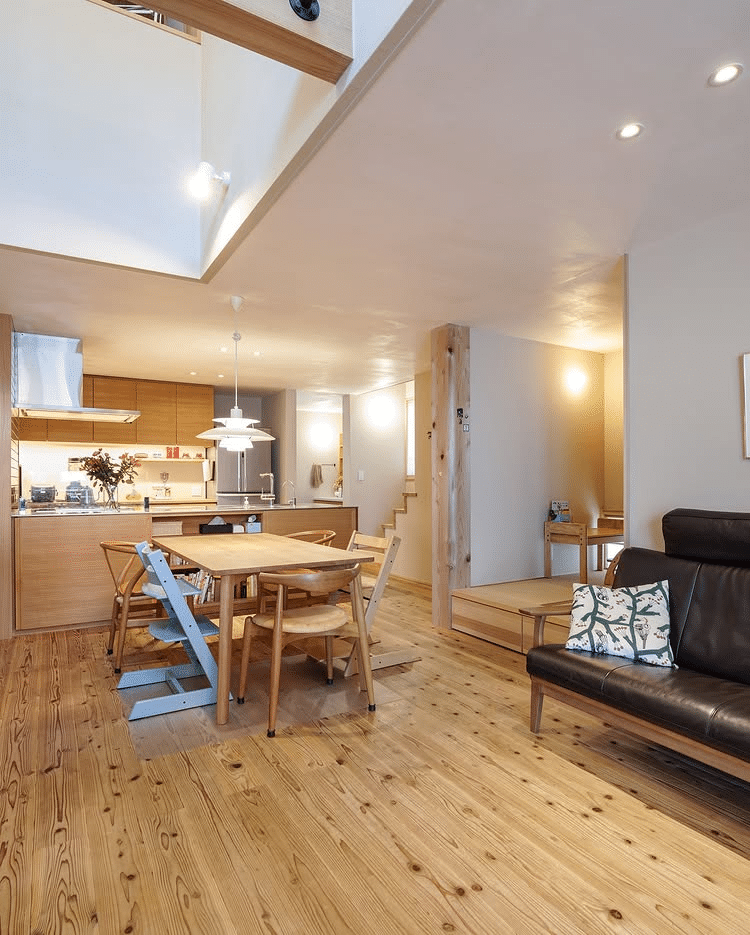
第一,用藏光灯带。吊顶四周、柜体下沿藏一圈灯带,光线打在墙面上再漫射下来,柔和均匀,眼睛永远看不到发光体本身,只感受得到光。灯藏起来,光却到处都在,这是家里最舒服的亮法。
第二,灯罩选漫反射材质。磨砂玻璃、布艺灯罩,把点光源打散成面光源,光从”刺眼”变成”温润”,直视也不难受。
第三,多做间接照明。落地灯向上打光、壁灯洗墙,让光”撞墙后再回来”。整个空间亮得没有方向,瞳孔就不用反复调节,眼睛肌肉一直处在放松的档位。
第四,书桌台灯放对位置。光源放在视线以上的侧前方,不要正对眼睛,也别让灯光在屏幕上形成反光——你盯屏幕已经够累了,别再让台灯补一刀。
家里的光,不是用来”展示”的,是用来”托住”你的。光线柔和了,瞳孔不忙了,眼睛不酸了,大脑才闲得下来,人才真正回得了家。灯光调柔一点,夜晚的神经就调松一点。
你的家不是用来看的,是用来养你的大脑的。
Have you ever had this moment: after staring at a screen all day in the office, you come home at night, turn on a light, and your eyes suddenly sting so much you can barely keep them open? Or you visit a friend’s place where the living room is as bright as a film studio, and after half an hour you feel inexplicably restless, wanting nothing but to leave. You can’t say exactly what’s wrong — you just can’t stay.
The problem is often not the brightness of the light, but the “attitude” of the light.
In Chapter 58 of the Tao Te Ching, Laozi says: “Therefore the sage is square without cutting, sharp without piercing, straight without being arrogant, bright without dazzling.” The last four characters — guang er bu yao, light without glare — describe the highest form of illumination: plenty of light, but nothing that dazzles the eye.
Why is “not dazzling” so important? Because your eyes’ tolerance for brightness is controlled by your pupils. Strong light contracts the pupils; dim light dilates them. This adjustment is done by the iris muscles, and like all muscles, sustained tension brings fatigue. Glare is light that enters your line of sight directly, forcing the pupils into repeated violent contraction. Research consistently finds that prolonged exposure to glare significantly raises the likelihood of visual fatigue, headaches, and scattered attention. Worse still, modern eyes are already spent after a full day of screens; coming home to harsh light is one more cut on top of the wound, leaving both eyes and brain without real rest. A glaring lamp isn’t just “unattractive” — it drains you at the physical level. In a home with harsh lighting, people unconsciously grow more tired the longer they sit; in a home with soft lighting, people take a deep breath the moment they walk in.
Lighting that truly nurtures the eyes is called “seeing the light, not the lamp.”
First, use hidden light strips. Hide a ring of LED strips around the perimeter of the ceiling or under cabinets. The light hits the wall and diffuses down — soft, even, and the eye never sees the light source itself, only the light. The lamps are hidden, yet light is everywhere. This is the most comfortable way to light a home.
Second, choose diffusing lamp shades. Frosted glass and fabric shades break a point light source into a surface light source, turning light from “harsh” to “warm” — comfortable even to look at directly.
Third, favor indirect lighting. Floor lamps that cast light upward, wall sconces that wash the wall — let light “bounce off the wall and come back.” When a space is bright with no discernible direction, the pupils stop constantly adjusting, and the eye muscles stay in a relaxed gear.
Fourth, position desk lamps correctly. Place the light source to the side and above eye level — not facing your eyes, and never reflecting off your screen. You’ve stared at screens enough today; don’t let the desk lamp add one more cut.
The light in your home is not for “display” — it is there to “hold” you. When the light is soft, the pupils stop working, the eyes stop aching, the brain finally rests, and you truly come home. Soften the light, and your nerves at night will soften with it.
Your home is not for looking at — it is for nurturing your brain.