The Healing Power of Japanese Mingei | XERLIFE+ Journal
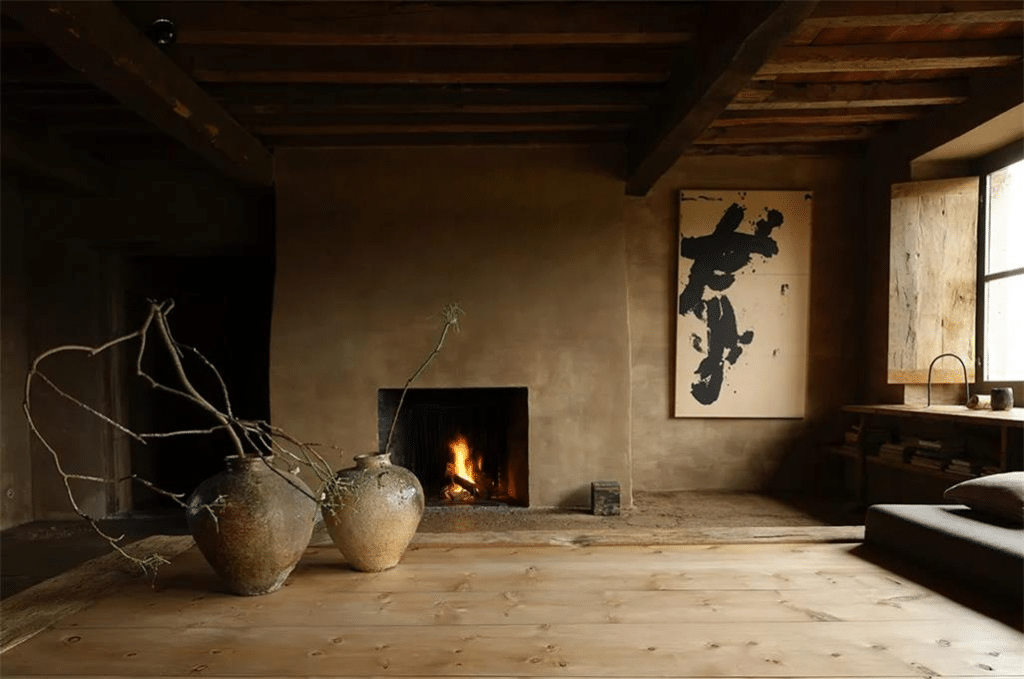
柳宗悦在1925年提出”民艺”一词时,大概没想到100年后脑科学能验证他所有的直觉。民艺品——一个粗糙的陶碗、一张蓝染布、一把竹扫帚——为什么放在家里觉得”安心”?因为它们在触摸人类神经系统的四个原始需求。
手作痕迹 = 人的在场
人的大脑对”人手痕迹”有特殊反应。fMRI扫描显示:看到手工制作的物体时,镜像神经元系统高度活跃。这个系统负责”理解他人的动作和意图”——看到手工品等同于看到制作它的人。这就是为什么民艺碗比完美无瑕的骨瓷碗更有温度。因为那个不规则的碗口告诉你:”这是一个人做的”。你的大脑读到了另一个人的存在。
不完美 = 放松许可
民艺品的不完美(歪斜的釉色、不均匀的编织)发出的是: “不完美是被允许的”。完美主义是焦虑的核心引擎。当你眼前有一件不完美但被珍视的物品时,大脑接收到一种放松许可。这在心理学上叫”自我慈悲触发”——”不完美也可以被爱”。
民艺的使用原则
越用越美的东西放在用得着的地方——茶碗天天用,蓝染布当桌布,竹篮当收纳。民艺不是展示品。它的价值在”用”——你用它,你的手在触摸材料,你的大脑在读”时间”。为什么现在的人需要民艺?因为我们被工业完美包围太久了。每个杯子一模一样,每条线笔直。大脑需要”人的不完美”来确认”我也可以不完美”。
When Yanagi Sōetsu coined the term “Mingei” in 1925, he probably never imagined that brain science would validate all of his intuitions a century later. Mingei objects — a rough ceramic bowl, a piece of indigo-dyed cloth, a bamboo broom — why do they make you feel “at ease” at home? Because they touch four primal needs of the human nervous system.
Handcraft Traces = Human Presence
The human brain has a special response to “traces of the human hand.” fMRI scans show: when viewing handmade objects, the mirror neuron system becomes highly active. This system is responsible for “understanding others’ actions and intentions” — seeing a handmade object is equivalent to seeing the person who made it. This is why a Mingei bowl has more warmth than a flawless bone china bowl. Because that irregular rim tells you: “A person made this.” Your brain reads the presence of another human being.
Imperfection = Permission to Relax
The imperfections of Mingei (uneven glaze, irregular weaving) broadcast: “Imperfection is allowed.” Perfectionism is the core engine of anxiety. When an imperfect yet cherished object sits before your eyes, the brain receives a relaxation permit. In psychology, this is called a “self-compassion trigger” — “imperfection can also be loved.”
The Usage Principle of Mingei
Things that grow more beautiful with use should be placed where they can be used — the tea bowl used daily, the indigo cloth as a tablecloth, the bamboo basket for storage. Mingei is not for display. Its value lies in “use” — you use it, your hands touch the material, your brain reads “time.” Why do modern people need Mingei? Because we have been surrounded by industrial perfection for too long. Every cup identical, every line perfectly straight. The brain needs “human imperfection” to confirm: “I too can be imperfect.”