Heaviness Is the Root of Lightness: The More “Floating” the Furniture, the More Anxious You Feel | XERLIFE+ Journal
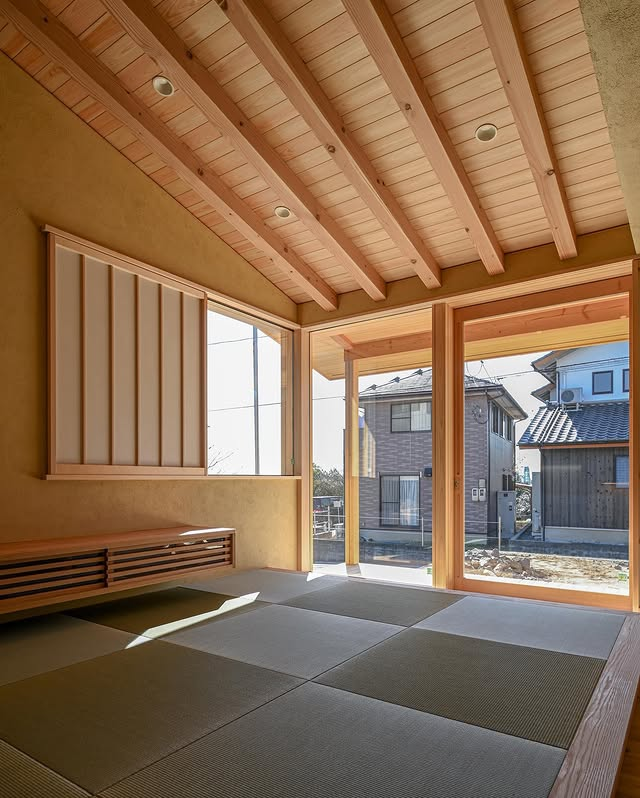
你有没有过这种时刻:走进一个满是细腿家具、悬空电视柜、玻璃台面的样板间,第一眼觉得高级、轻盈,多待一会儿却莫名坐不住,总觉得自己”没着落”。
这种感觉,是身体在替大脑报警。
老子在《道德经》第二十六章说:”重为轻根,静为躁君。”厚重是轻飘的根本,安静是躁动的主宰。放到家里:一个空间必须有几样”压得住”的东西,你才坐得稳、睡得沉。
为什么?因为大脑天生是个”稳定探测器”。
人的平衡知觉,来自内耳的前庭系统与视觉系统的协同工作——它每时每刻都在检查:这个环境稳不稳?我站得住吗?研究普遍发现:当视野里充满细腿、悬空、失重的元素时,大脑需要不断”校正”这种不稳定的印象,潜意识里持续保持警觉;而当空间的视觉重心低、底座厚重时,大脑判定”这里很安全”,身体才真正松下来。这也是为什么老式家具、实木大桌总让人莫名安心——它们的分量,本身就是安全感。
视觉重量是真实存在的设计语言:粗的、厚的、低的、深色的物体,会被感知为”重”和”稳”;细的、薄的、悬空的,会被感知为”轻”和”飘”。轻可以点缀,但不能当底子。
给你四个落地的原则。
第一,大件家具,能落地就落地。沙发、床、柜子,要么直接落地,要么配低矮厚实的脚。厚实的木脚、落地的箱体,都比细细的金属腿更让人放松。离地越近,人越安心——这是全屋安定感的底子。
第二,每个空间配一件”压舱石”。客厅的实木长桌、书房通顶的书架、卧室厚重的床架。一件有分量的家具,就能镇住一屋子的飘。
第三,重心往下放。深色、重色放在空间的下半部分,浅色留给上部;下半截深、上半截浅,视线自然下沉,心也跟着落定。
第四,悬浮要用,但别滥用。悬空电视柜、悬浮楼梯确实轻盈好看,但全屋都是”飘”的就过了。比如电视柜悬空,沙发就必须落地;餐桌用细腿,餐边柜就要厚重——一轻一重,空间才有呼吸。悬浮是点缀,落地是常态,比例上永远落地为主。
轻是享受,重是根基。一个让人安心的家,永远先站稳,再谈轻盈。
你的家不是用来看的,是用来养你的大脑的。
Have you ever had this moment: you walk into a showroom full of spindly-legged furniture, floating TV cabinets, and glass tabletops. The first impression is refined and airy — but stay a little longer and you find yourself oddly unable to sit still, feeling like you have “no place to land.”
This feeling is the body raising an alarm on the brain’s behalf.
In Chapter 26 of the Tao Te Ching, Laozi says: “Heaviness is the root of lightness; stillness is the master of restlessness.” Substance is the root of the ethereal; calm governs agitation. Applied to the home: a space must contain a few things with “weight” before you can sit steadily and sleep deeply.
Why? Because the brain is born a “stability detector.”
Human balance perception comes from the coordination of the vestibular system in the inner ear and the visual system — checking every moment: is this environment stable? Can I stand? Research consistently finds: when the field of vision is full of thin legs, floating elements, and weightlessness, the brain must continually “correct” this impression of instability, staying subconsciously alert; while when a space’s visual center of gravity is low and its bases are solid, the brain rules “this is safe” and the body truly relaxes. This is why old-fashioned furniture and massive solid-wood tables bring inexplicable reassurance — their weight itself is a sense of security.
Visual weight is a real design language: thick, heavy, low, dark objects are perceived as “heavy” and “steady”; thin, light, floating ones as “light” and “drifty.” Lightness may decorate, but it cannot be the foundation.
Four practical principles for you.
First, large furniture should sit on the floor whenever possible. Sofas, beds, cabinets — either rest directly on the floor or stand on low, solid feet. Thick wooden feet and grounded bodies relax people more than thin metal legs. The closer to the ground, the more at ease — this is the foundation of the whole home’s sense of stability.
Second, give every space one “ballast stone.” A solid wood long table in the living room, a floor-to-ceiling bookshelf in the study, a heavy bed frame in the bedroom. One piece with weight can anchor a whole room of drifting.
Third, push the visual center of gravity down. Put dark, heavy colors in the lower half of the space and light ones up top; dark below, light above — the gaze naturally sinks, and the heart settles with it.
Fourth, use floating elements, but don’t abuse them. Floating TV cabinets and cantilevered stairs are indeed airy and handsome, but an entire house of “drifting” is too much. If the TV cabinet floats, the sofa must sit on the floor; if the dining table has thin legs, the sideboard should be substantial — one light, one heavy, and the space can breathe. Floating is the accent; grounded is the norm — in proportion, grounded always leads.
Lightness is enjoyment; heaviness is the foundation. A reassuring home always stands steady first, and talks about airiness later.
Your home is not for looking at — it is for nurturing your brain.