Great Skill Seems Clumsy: Why Handmade Imperfection Nourishes More Than Machine Perfection | XERLIFE+ Journal
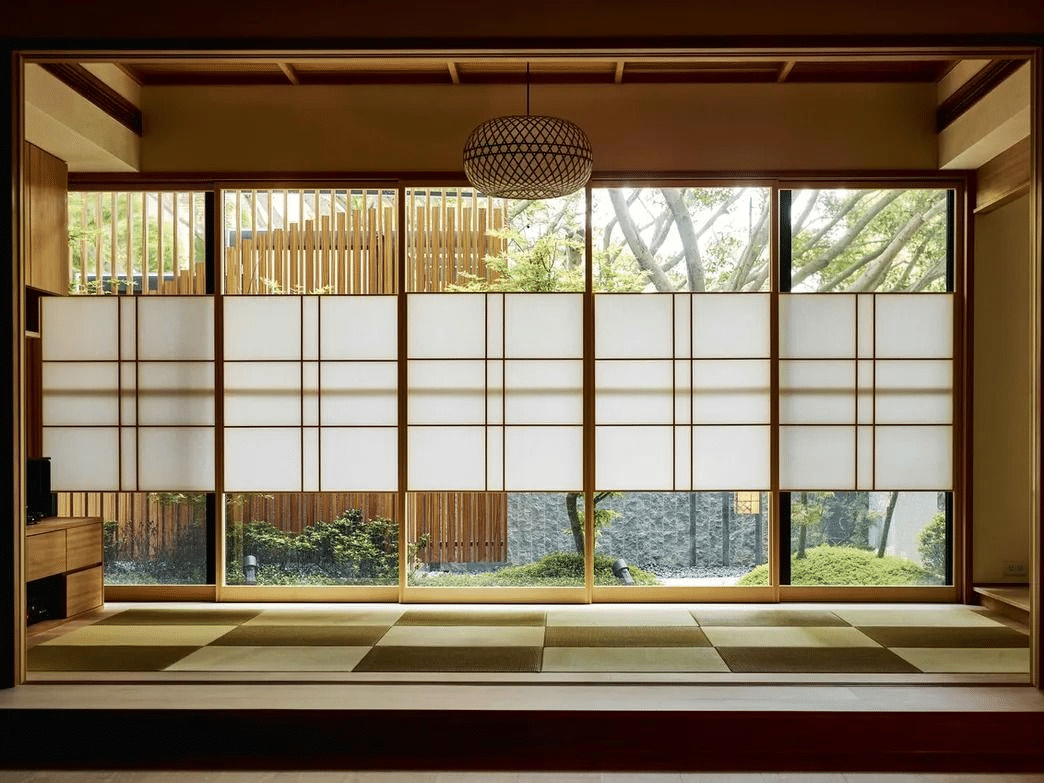
你有没有摸过这样的东西:一把手工木椅,椅面留着细微的刀痕;一只陶杯,杯口微微不圆,釉色厚薄不一;一块老木板,节疤和裂痕清晰可见。奇怪的是,比起流水线上完美无瑕的工业品,这些”不完美”的东西,反而让你想多摸一会儿、多留一会儿,用久了还舍不得换。你以为是念旧,其实是大脑在替你做选择。为什么越贵、越精致的东西,有时候反而让人不踏实?
老子在《道德经》第四十五章说:”大直若屈,大巧若拙,大辩若讷。”意思是:最直的反而像弯的,最巧的反而像笨拙的,最会说的反而像木讷的。真正的巧,不炫耀自己巧——它看起来甚至有点”拙”。
为什么”拙”会让人舒服?因为大脑对”完美”是警觉的。研究普遍发现,过于光滑、过于对称、毫无瑕疵的表面,会让人本能地进入审视状态——大脑在判断:这是真的吗?有没有什么不对劲?而手工痕迹、轻微的不规则、天然的纹理,反而传递出真实的信号,让大脑放下戒备,切换到放松模式。侘寂美学研究的核心发现之一,正是这种”不完美带来的安心感”:人面对带着使用痕迹和生命感的事物,戒备会降下来。
触觉上也是如此。天然材质表面有丰富的微观起伏,触感信息更细腻,摸起来是”暖”的;光滑的工业表面信息单一,摸起来是”冷”的。而手的温度,会直接传给大脑,影响情绪的底色。
那家里怎么”藏拙”?
第一,留一面粗粝的墙。艺术漆、硅藻泥或手工砖,让墙面有呼吸的肌理,而不是一面光滑的”镜子”。墙一粗,整个空间的”气质”就沉下来了,沉下来,人才待得住。
第二,用几件手作器物。手工陶杯、木碗、藤编筐,它们的”不圆”和”不齐”,是给眼睛和手吃的放松剂,比任何装饰品都耐看。
第三,保留原木纹理。实木桌面留着节疤和纹路,别用漆把它们盖死。木头的老实,就在它的纹理里,盖住了,它就变成了塑料。纹理留住了,家就有了呼吸。
第四,允许旧。家具用久了有划痕、有包浆,别急着换——那些痕迹,是家”活过”的证据,也是家里最诚实的装饰。旧,是时间替你做的设计。
大巧若拙:拙不是粗糙,是真实。真实的东西,大脑不用设防。真拙的东西越用越顺,假完美的东西越看越累。
你的家不是用来看的,是用来养你的大脑的。
Have you ever touched such things: a handcrafted wooden chair with fine knife marks left on the seat; a ceramic cup whose rim is slightly uneven, its glaze varying in thickness; an old plank of wood with knots and cracks clearly visible? Strangely, compared with the flawless industrial products off an assembly line, these “imperfect” things make you want to touch them longer, stay with them longer, and after long use you can’t bear to replace them. You think it’s nostalgia — but actually your brain is choosing for you. Why do more expensive, more refined things sometimes leave you oddly unsettled?
In Chapter 45 of the Tao Te Ching, Laozi says: “The greatest straightness seems bent; the greatest skill seems clumsy; the greatest eloquence seems tongue-tied.” The straightest appears curved; the most skilled appears awkward; the most articulate appears inarticulate. True skill does not show off its skill — it even looks a little “clumsy.”
Why does “clumsiness” feel comfortable? Because the brain is vigilant against “perfection.” Research consistently finds that overly smooth, overly symmetrical, flaw-free surfaces make people instinctively enter a scrutinizing state — the brain is judging: is this real? Is something off? Meanwhile, traces of the hand, slight irregularities, natural grain — these transmit authentic signals that let the brain lower its guard and switch into relaxation mode. One of the core findings of wabi-sabi aesthetics is precisely this “sense of ease brought by imperfection”: faced with things that carry the marks of use and life, our guard comes down.
The same is true of touch. Natural materials have rich micro-undulations on their surfaces — tactile information is finer, and they feel “warm”; smooth industrial surfaces carry single-note information and feel “cold.” And the warmth of the hand transmits directly to the brain, coloring your emotional baseline.
So how do you “hide clumsiness” at home?
First, keep one wall raw and textured. Decorative plaster, diatomaceous earth, or handmade brick — let the wall have a breathing grain instead of being a smooth “mirror.” When a wall is textured, the whole space’s “character” settles down; when it settles, people can stay.
Second, use several handmade objects. Hand-thrown cups, wooden bowls, woven rattan baskets — their “not-round” and “not-even” qualities are a relaxant for the eyes and hands, and they outlast any ornament in appeal.
Third, keep natural wood grain. Let the solid wood tabletop keep its knots and grain — don’t seal them under lacquer. Wood’s honesty lives in its grain; cover it, and it becomes plastic. Keep the grain, and the home can breathe.
Fourth, allow things to age. Furniture that has acquired scratches and patina with use — don’t rush to replace it. Those marks are evidence that the home has “lived,” and the most honest decoration in the house. Age is design done by time, on your behalf.
Great skill seems clumsy: clumsiness is not roughness — it is authenticity. Against what is real, the brain needs no defenses. Truly awkward things grow smoother with use; fake perfection grows tiring the more you look.
Your home is not for looking at — it is for nurturing your brain.