Cook Ding Carves the Ox: Is Cooking a Dance or a Battle? It’s the Circulation, Not the Culinary Skill | XERLIFE+ Journal
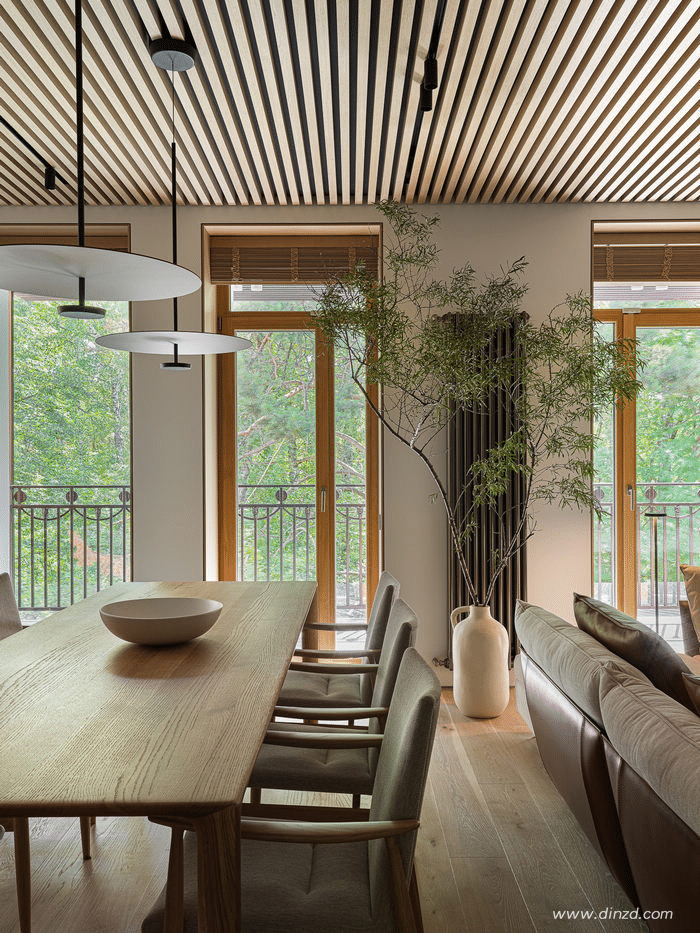
同样是做一顿晚饭:有人洗切炒一气呵成,四十分钟上桌,锅碗已归位;有人从冰箱到灶台来回跑,手忙脚乱两个小时,厨房像被轰炸过。差别往往不在手艺,而在动线。你仔细观察就会发现,做饭累不累,从来不取决于菜有多难,而取决于脚走了多少冤枉路。
庄子在《养生主》里讲庖丁解牛:一把刀用了十九年,还像刚磨过一样。问他秘诀,他说:”以神遇而不以目视,官知止而神欲行。”用心神去领会,而不是用眼睛去看;感官停下来,心神却自由运行。庖丁的刀不碰骨头,顺着牛身自然的纹理走,所以又快又省,游刃有余。
这背后有真实的脑科学:当动作足够熟练,大脑就把它们”外包”给自动化系统,不再需要前额叶时刻指挥——这就是心理学所说的”心流”状态:全神贯注,却不费力。更妙的是,心流状态下人会忘记时间、忘记疲劳——很多大厨说做饭”解压”,其实是在享受动线顺畅带来的心流。反过来,每一次打断都是成本:研究普遍发现,人在任务之间切换时,需要额外的注意资源重新”加载”,切换越频繁,越累、越容易出错。做饭时的”打仗感”,多半来自动线里数不清的小切换:多走一趟、多弯一次腰、多找一次东西,每一次都打断一次心神。
让家”顺”,记住三件事。动线设计的本质,就是给日常动作铺一条现成的”纹理”。
第一,守住厨房黄金三角。冰箱、水槽、灶台三点之间,距离适中、通道无阻,洗切炒的每一趟都顺路,不用来回折返。
第二,做洄游动线。岛台或餐桌周围留出环形通道,进出不回头、不撞人,端菜、收拾都顺。
第三,工具归位。给每样东西一个固定的”家”,用完立刻放回。找东西是最隐蔽的打断,归位就是给大脑”存档”,下次取用零成本。
庖丁解牛靠的不是天赋,是顺着纹理走。好厨房也不靠蛮力,靠的是让每一步都落在”纹理”上。
你的家不是用来看的,是用来养你的大脑的。
The same dinner: one person washes, chops, and stir-fries in one smooth flow — on the table in forty minutes, pots and bowls already put away. Another runs back and forth between fridge and stove, flustered for two hours, the kitchen looking like it’s been bombed. The difference is usually not skill — it’s the circulation path. Watch closely and you’ll see: whether cooking is tiring never depends on how hard the dish is, but on how many wasted steps your feet take.
In “The Secret of Caring for Life,” Zhuangzi tells of Cook Ding carving an ox: a cleaver used for nineteen years, still as sharp as if newly whetted. Asked his secret, he said: “I meet it with the spirit, not with the eye; the senses stop, but the spirit moves as it wills.” He comprehends with his mind rather than looking with his eyes; the senses come to rest, and the spirit runs free. Ding’s blade never touches bone — it follows the natural grain of the ox’s body, so it is both fast and effortless, moving with ample room to spare.
There is real brain science behind this: when movements become sufficiently practiced, the brain “outsources” them to automatic systems, and the prefrontal cortex no longer needs to direct every step — this is what psychology calls the “flow” state: fully absorbed, yet effortless. Even better, in flow people forget time and fatigue — many chefs say cooking “de-stresses” them; in fact they’re enjoying the flow that smooth circulation brings. Conversely, every interruption is a cost: research consistently finds that when switching between tasks, people need extra attentional resources to “reload,” and the more frequent the switches, the more tired and error-prone they become. The “battle feeling” in cooking mostly comes from countless tiny switches in the circulation: one extra trip, one extra bend, one extra search — each one interrupts the mind.
To make a home “flow,” remember three things. The essence of circulation design is laying a ready-made “grain” for daily movements.
First, protect the kitchen golden triangle. Between fridge, sink, and stove — moderate distances, unobstructed paths, so every trip of washing, chopping, and stir-frying follows the way without backtracking.
Second, create loop circulation. Leave a ring-shaped passage around the island or dining table — enter and exit without turning back or bumping into people; serving and clearing both flow.
Third, return tools to their places. Give everything a fixed “home” and put it back immediately after use. Searching for things is the most invisible interruption; returning things is “saving” for the brain — next use costs nothing.
Cook Ding succeeded not through talent but by following the grain. A good kitchen likewise doesn’t rely on brute force — it relies on every step landing on the “grain.”
Your home is not for looking at — it is for nurturing your brain.