Contentment Is Wealth: Bigger Homes, Less Happiness? The Answer Came Two Thousand Years Ago | XERLIFE+ Journal
你有没有过这种经历:刚搬进新家那阵子,幸福感满到溢出来;几个月后,却只剩下”怎么有这么多东西要打理”的疲惫?
不是你不懂珍惜,是你的大脑”适应”了。
老子在《道德经》第三十三章说:”知足者富,强行者有志。”知道满足的人,才是真正富有的;勉强用力的人,是有志气的。在老子的定义里,富不取决于你拥有多少,而取决于你需要多少。
脑科学印证了这一点:研究普遍发现,人对物质改善的满足感会迅速衰减——新房子、新家具带来的快乐,往往撑不过几个月,就回落到你原来的幸福基线。这就是”享乐适应”(hedonic adaptation):大脑对好东西会快速”脱敏”,它天生就不是为”拥有更多”设计的。换句话说,大脑默认”够用即满足”,是欲望在不停地升级”够用”的标准。
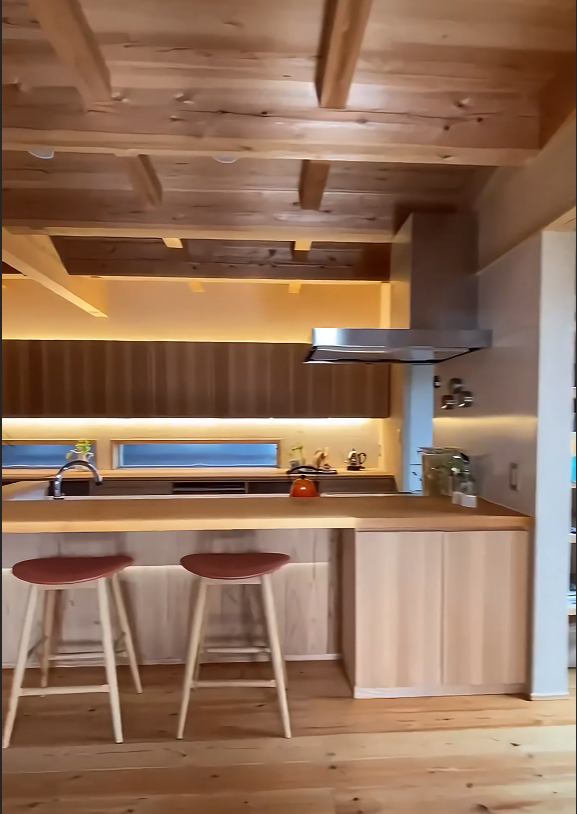
但有一种满足不会衰减:使用时的满足。一个刚好够用的厨房、一把刚好合身的椅子,你每次用它,都重新体验一次”被满足”——这种快乐是重复发生的,而不是一次性的。
所以,小房子未必不幸福,关键是让功能”每次都用得上”。
第一,功能先于面积。别先想”我要多大”,先列一张清单:你每周做得最多的十件事是什么?让它们各自有一个”顺手”的位置。高频功能做足,幸福感就锚定了。
第二,做”知足式”取舍。不为”万一客人来”留豪华客房,为”我每天用”做足细节。把预算花在你天天碰的东西上——门把手、枕头、厨房台面。
第三,给每件东西一个固定的家。找不到东西的烦躁,是每天都在扣的幸福感。物品各归其位,大脑就不用天天开”搜索模式”。
第四,把”够用”当成设计标准。台面高度刚好、抽屉位置顺手、灯光不刺眼——这些不起眼的”刚好”,才是每天都会兑现的幸福感。
老子说知足者富。放在家里,这句话的意思是:让你每天都被”够用、顺手”确认一次,而不是被”还想更大”消耗一生。
你的家不是用来看的,是用来养你的大脑的。
Have you ever had this experience: in the first weeks after moving into a new home, happiness overflows; a few months later, all that remains is the fatigue of “why is there so much to take care of”?
It’s not that you don’t appreciate what you have — it’s that your brain has “adapted.”
In Chapter 33 of the Tao Te Ching, Laozi says: “One who knows contentment is rich; one who strives forcefully has will.” The truly wealthy are those who know contentment. In Laozi’s definition, wealth is not determined by what you possess, but by what you need.
Brain science confirms this: research consistently finds that the satisfaction from material improvements decays rapidly — the joy of a new house or new furniture rarely lasts more than a few months before falling back to your original happiness baseline. This is “hedonic adaptation”: the brain quickly “desensitizes” to good things — it was never designed for “having more.” In other words, the brain’s default is “enough is satisfying”; it’s desire that keeps upgrading the standard of “enough.”
But one kind of satisfaction never decays: the satisfaction of use. A kitchen that is just adequate, a chair that fits you perfectly — every time you use them, you re-experience being “satisfied.” This joy recurs; it isn’t one-off.
So a small home is not necessarily unhappy — the key is making functions “usable every time.”
First, function before area. Don’t start with “how big do I need” — start with a list: what are the ten things you do most each week? Give each one a “convenient” place. Cover high-frequency functions thoroughly, and your happiness is anchored.
Second, make “contentment-style” trade-offs. Don’t keep a luxury guest room for “what if visitors come” — perfect the details of “what I use every day.” Spend your budget on the things you touch daily: door handles, pillows, kitchen countertops.
Third, give everything a fixed home. The frustration of not finding things chips away at happiness every day. When every object is in its place, the brain doesn’t have to run “search mode” daily.
Fourth, make “enough” a design standard. Countertop at just the right height, drawers that open smoothly, lighting that doesn’t glare — these unremarkable “just rights” are the happiness that actually pays out every day.
Laozi said the contented are rich. Applied to the home, this means: let yourself be confirmed daily by “enough and convenient,” instead of being consumed for a lifetime by “even bigger.”
Your home is not for looking at — it is for nurturing your brain.