The Balcony: Maximum Healing Power in Minimum Space | XERLIFE+ Journal
3平米的阳台能做什么?晾衣服。放杂物。堆快递箱。但你有没有想过——这3平米可能是你家里最值钱的空间。
自然接触的剂量效应
神经科学有个概念叫”自然剂量”(Nature Dose)——每天接触自然的时长和心理健康之间的量化关系。2019年一项覆盖2万人的研究发现:每天120分钟的自然接触,能将焦虑水平降低60%。但关键是——不需要连续120分钟。分成5个20分钟的片段,效果一样。
你的阳台就是”微剂量自然站”。
打造5分钟微自然
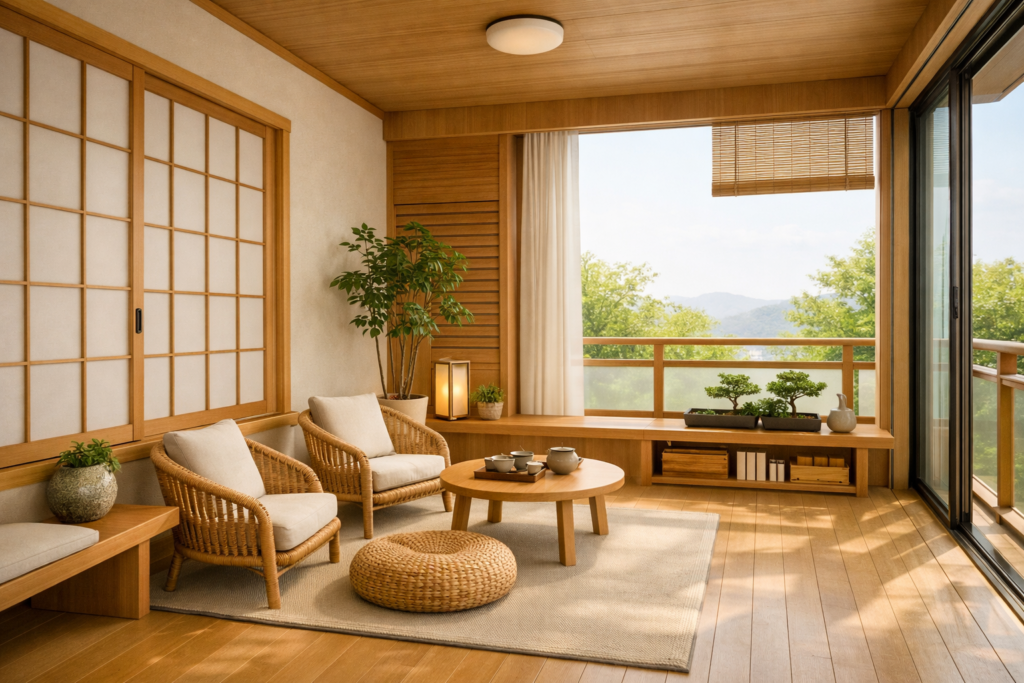
一把椅子,一盆大叶植物。每天坐5分钟,喝茶不看手机。重点不是做什么——是”什么都不做”。视觉焦点放在绿植上。人眼在看绿色物体时,睫状肌最放松。这个状态的大脑扫描显示默认模式网络(DMN)活跃——这是创意的涌现区。多肉植物是最优选——低维护、高存活、视觉上有”萌萌的”婴儿图式效应,激发照顾欲和催产素。
如果你家没有阳台
一扇能完全打开的窗户,一把椅子摆在窗前。满足两个条件:脚能平放在地上(安全感),视线能看到天空(开阔感)。这就够了。最小的空间,最深的治愈。阳台不是建筑垃圾空间——是你大脑的充电站。
What can you do with a 3-square-meter balcony? Dry laundry. Store clutter. Stack delivery boxes. But have you ever considered — these 3 square meters might be the most valuable space in your home.
The Dose Effect of Nature Contact
Neuroscience has a concept called “Nature Dose” — the quantified relationship between daily nature contact duration and mental health. A 2019 study covering 20,000 people found that 120 minutes of nature contact per day can reduce anxiety levels by 60%. But the key insight is — you don’t need 120 consecutive minutes. Breaking it into five 20-minute segments produces the same effect.
Your balcony is a “micro-dose nature station.”
Creating a 5-Minute Micro-Nature Experience
One chair, one large-leaf plant. Sit for five minutes every day, drink tea, don’t look at your phone. The point is not what you do — it’s “doing nothing.” Focus your vision on the greenery. When human eyes look at green objects, the ciliary muscles are most relaxed. Brain scans in this state show the Default Mode Network (DMN) active — this is the emergence zone of creativity. Succulents are the optimal choice — low maintenance, high survival rate, with a visually “cute” baby schema effect that triggers caregiving impulses and oxytocin.
If You Don’t Have a Balcony
A window that can open fully, a chair placed in front of it. Two conditions: feet flat on the ground (sense of security), line of sight reaching the sky (sense of openness). That’s enough. The smallest space, the deepest healing. The balcony is not architectural waste space — it’s your brain’s charging station.