See the Unbleached, Hold the Uncarved: Calming at the Touch of Wood Is Neuroscience, Not Sentiment | XERLIFE+ Journal
你有没有过这种体验:手里攥着一块原木,披着一件亚麻衫,或者赤脚踩在木地板上,心里莫名其妙就踏实了;而摸到塑料、金属,总觉得隔了一层什么。
这不是矫情,是你的皮肤在替大脑做体检。
《道德经》第十九章说:”见素抱朴,少私寡欲。”素,是没染色的丝;朴,是没加工的木。老子叫人守住本真、减少欲望。两千多年后,设计师们发现:最能让人平静的材质,恰恰就是”素”和”朴”本身。
科学上,触觉是大脑最古老的感觉通道之一。皮肤里的触觉感受器把信号送进大脑,天然材质与人工材质引发的反应截然不同。研究普遍发现,触摸天然材质时,人的生理唤醒水平更低、心率更平稳、主观上更放松;而冰冷的金属和塑料,会持续触发隐约的警觉。
视觉层面更妙:天然纹理——木纹、石纹、织物纤维——大多符合分形几何。分形是”局部与整体相似”的图形,树木的分叉、云朵的轮廓、河岸的蜿蜒都是。研究普遍发现,人脑处理自然分形图案时消耗的视觉资源极少,几乎”零成本”地觉得顺眼;而人造的密集图案则需要费力解析。这也是木纹、大理石纹能流行几千年而不腻的原因。自然纹理是眼睛的休息区,人造纹理是眼睛的加班区。
怎么把”素”和”朴”设计进家里?三个手法:
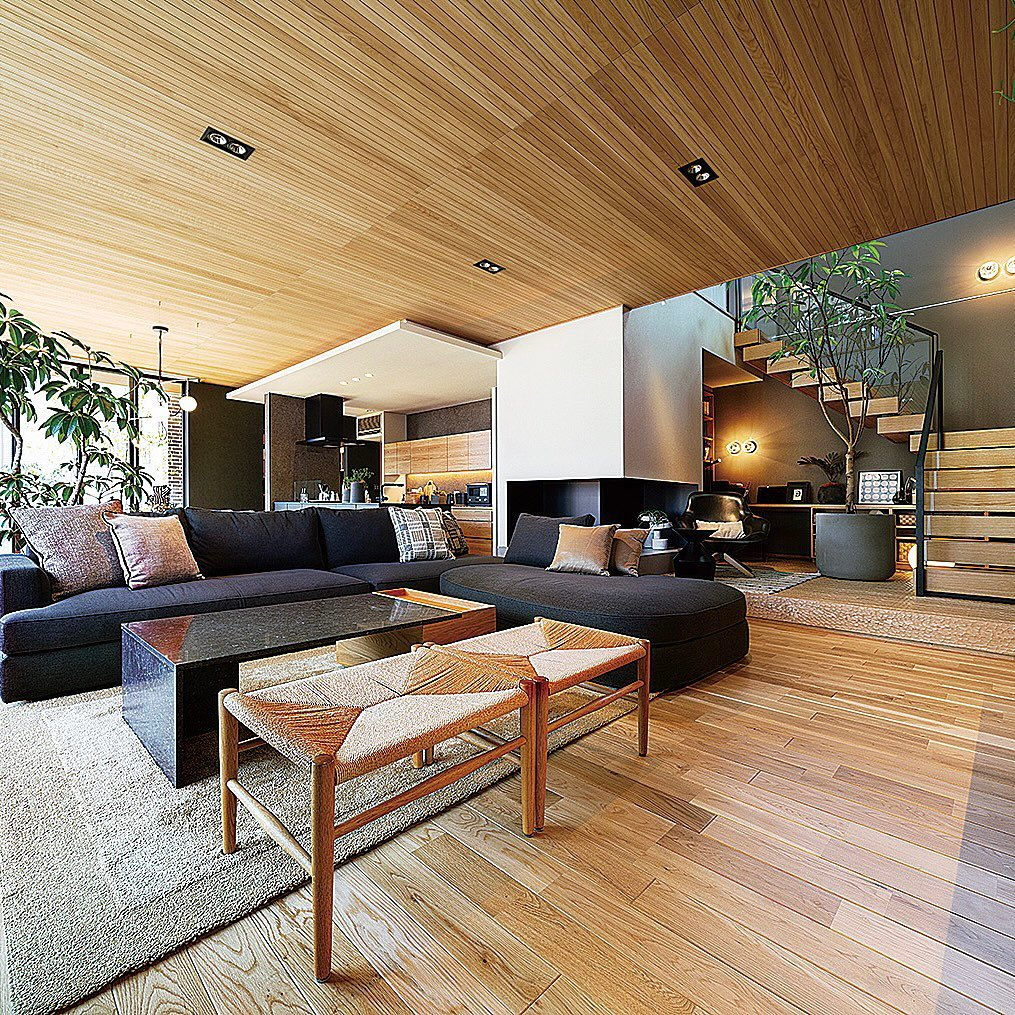
第一,材质三件套:原木、矿物涂料、亚麻。木的温、土的哑、麻的糙,各自带着自然的分形纹理,组合起来就是一间”看得见气韵”的房子。这三种材质都不需要费力”打理”,越用越有味道。
第二,触手可及处优先用天然材质。门把手、床头板、餐桌、沙发扶手——凡是手会停留超过三秒的地方,都换成本来的面目。指尖的触感,是大脑每天收到最多的”安心快递”。
第三,克制质感混搭。天然材质本身够丰富,金属、玻璃、亮面漆留给点缀,别让它们抢戏。
见素抱朴,就是让家回到材质本来的样子,让你的大脑每天都被”摸”踏实。你的手每天触碰什么,你的心就会慢慢长成什么。
你的家不是用来看的,是用来养你的大脑的。
Have you ever had this experience: holding a piece of raw wood, wearing a linen shirt, or walking barefoot on wooden floors, you feel inexplicably grounded; while touching plastic or metal, you always feel a layer of something in between.
This isn’t sentimentality — your skin is running a health check for your brain.
Chapter 19 of the Tao Te Ching says: “See the unbleached, hold the uncarved, lessen selfishness, reduce desire.” Su is undyed silk; pu is unworked wood. Laozi urged people to hold to the genuine and reduce desire. More than two thousand years later, designers discovered: the materials that calm people most are precisely “the unbleached” and “the uncarved” themselves.
Scientifically, touch is one of the brain’s most ancient sensory channels. Touch receptors in the skin send signals into the brain, and natural versus artificial materials elicit markedly different responses. Research consistently finds that touching natural materials lowers physiological arousal, steadies heart rate, and increases subjective relaxation; while cold metal and plastic continuously trigger faint alertness.
On the visual level it’s even more elegant: natural textures — wood grain, stone veining, fabric fibers — mostly conform to fractal geometry. Fractals are patterns “similar in part to the whole”: the branching of trees, the contours of clouds, the meandering of riverbanks. Research consistently finds that the brain consumes very little visual resource processing natural fractal patterns, finding them pleasant at almost “zero cost”; dense artificial patterns, by contrast, demand laborious parsing. This is why wood grain and marble veining can stay popular for millennia without growing tiresome. Natural texture is the eyes’ rest zone; artificial texture is the eyes’ overtime zone.
How do you design “the unbleached” and “the uncarved” into your home? Three techniques:
First, the material trio: raw wood, mineral plaster, linen. Wood’s warmth, earth’s matteness, linen’s roughness — each carries nature’s fractal grain, and together they make a house where “aura is visible.” None of these materials demands effortful “maintenance”; they only gain character with use.
Second, prioritize natural materials wherever hands linger. Door handles, headboards, dining tables, sofa armrests — everywhere a hand stays for more than three seconds, restore the material’s true face. The touch of fingertips is the “package of reassurance” your brain receives most often each day.
Third, restrain texture mixing. Natural materials are rich enough on their own; leave metal, glass, and glossy lacquer for accents — don’t let them steal the show.
“See the unbleached, hold the uncarved” means returning your home to materials as they truly are, so your brain is “settled by touch” every day. Whatever your hands touch daily, your heart slowly grows into.
Your home is not for looking at — it is for nurturing your brain.