The Worn Becomes New: After Ten Years, You Stop Seeing Your Home | XERLIFE+ Journal
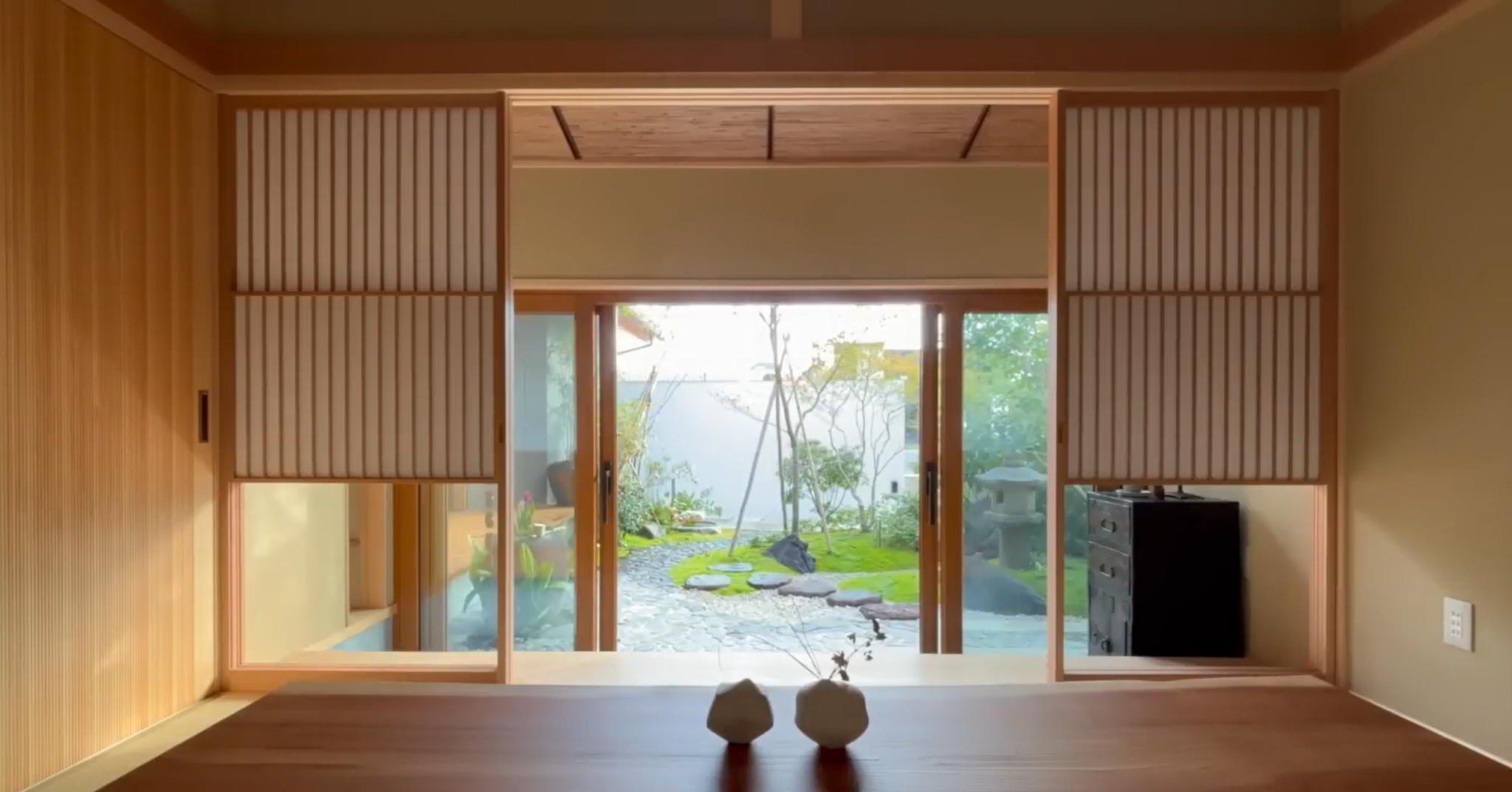
你有没有这种感觉:刚搬进新家那半年,每天回家都想多看两眼;住了几年之后,家里的一切都”隐身”了——你每天路过那面墙、那张桌子、那盏灯,却完全想不起它们长什么样。
不是家变了,是你的大脑把它”关掉了”。
老子在《道德经》第二十二章说:”敝则新。”破旧的东西,恰恰孕育着新的开始。旧不是终点,旧是”新”的前夜。
科学家把这个现象叫做”神经适应”:大脑对恒定不变的刺激,会主动降低反应强度。研究普遍发现:当一样东西日复一日毫无变化地出现在你眼前,大脑对它的反应会越来越弱,直到”视而不见”——因为大脑判定它”没有新信息,不值得消耗注意力”。这是大脑省电的本能,但它有个副作用:你花了半辈子攒下的家,变成了背景板。
反过来,新鲜感是大脑的”开机键”。研究普遍发现:新异刺激会激活大脑的奖赏回路,让人重新”看见”环境、产生兴趣和愉悦。不需要大动干戈,一点点变化,就能让整个家重新上线。
所以”敝则新”翻译成设计语言,就是四个字:旧物新生。
第一,旧家具翻新,胜过买新的。一张老餐桌,换掉坐旧了的椅子布艺、重新打磨上漆,比搬一件新家具回来更有”醒”的效果——因为它带着记忆,又是新的模样。
第二,局部改造,别全屋重装。重刷一面墙、换一盏主灯、给沙发换一套新套子。百分之十的面积变了,百分之百的注意力会重新回来。这是性价比最高的”大脑重启”。
第三,新旧混搭。老柜子配新椅子,旧木梁配现代沙发。新旧的碰撞本身就是信息量——大脑最喜欢的,正是”熟悉中有一点意外”。
第四,老房子的重生。老房子别推倒重来:保留骨架、梁柱和旧地板,换掉功能和动线。岁月留下的痕迹,是任何新材料都做不出来的”贵”,也是大脑最认的”真”。
家的衰老不可怕,可怕的是你的大脑对它视而不见。让旧物换个模样,让家重新被你看见。
你的家不是用来看的,是用来养你的大脑的。
Have you ever felt this: in the first six months after moving in, you wanted to look at the home every time you returned; after a few years, everything in it “went invisible” — you pass that wall, that table, that lamp every day, yet you can’t recall what they look like at all.
The home hasn’t changed — your brain has “switched it off.”
In Chapter 22 of the Tao Te Ching, Laozi says: “The worn becomes new.” It is precisely in the worn and old that a new beginning is gestating. Old is not an endpoint — old is the eve of “new.”
Scientists call this “neural adaptation”: the brain actively lowers its response to constant, unchanging stimuli. Research consistently finds: when something appears before your eyes day after day without variation, the brain’s response to it weakens until it becomes “invisible” — because the brain rules that it “carries no new information and isn’t worth attention.” This is the brain’s power-saving instinct, but it has a side effect: the home you spent half a lifetime accumulating becomes a backdrop.
Conversely, novelty is the brain’s “power button.” Research consistently finds that novel stimuli activate the brain’s reward circuitry, making people “see” their environment again, with renewed interest and pleasure. No big overhaul needed — a small change can bring the whole home back online.
So “the worn becomes new,” translated into design language, is four characters: old things, new life.
First, refurbishing old furniture beats buying new. An old dining table — reupholster the worn chair seats, sand and refinish the surface — wakes the room up more than moving in a new piece would. Because it carries memory, yet wears a fresh face.
Second, renovate locally, don’t redo the whole house. Repaint one wall, replace the main light, put new covers on the sofa. Ten percent of the area changes, and one hundred percent of the attention returns. This is the highest-value “brain reboot” there is.
Third, mix old and new. Old cabinets with new chairs, an old timber beam with a modern sofa. The collision of old and new is itself information — what the brain loves most is precisely “the familiar with a hint of surprise.”
Fourth, let old houses be reborn. Don’t demolish and start over: keep the skeleton, the beams and columns, the old floorboards; replace function and circulation. The traces left by years are a “luxury” no new material can manufacture — and the “authenticity” the brain trusts most.
Aging at home is not frightening — what’s frightening is your brain growing blind to it. Give old things a new face, and let the home be seen by you again.
Your home is not for looking at — it is for nurturing your brain.