Woodworker Qing Carves the Bell Stand: Can’t Focus at Home? This Is What’s Missing | XERLIFE+ Journal
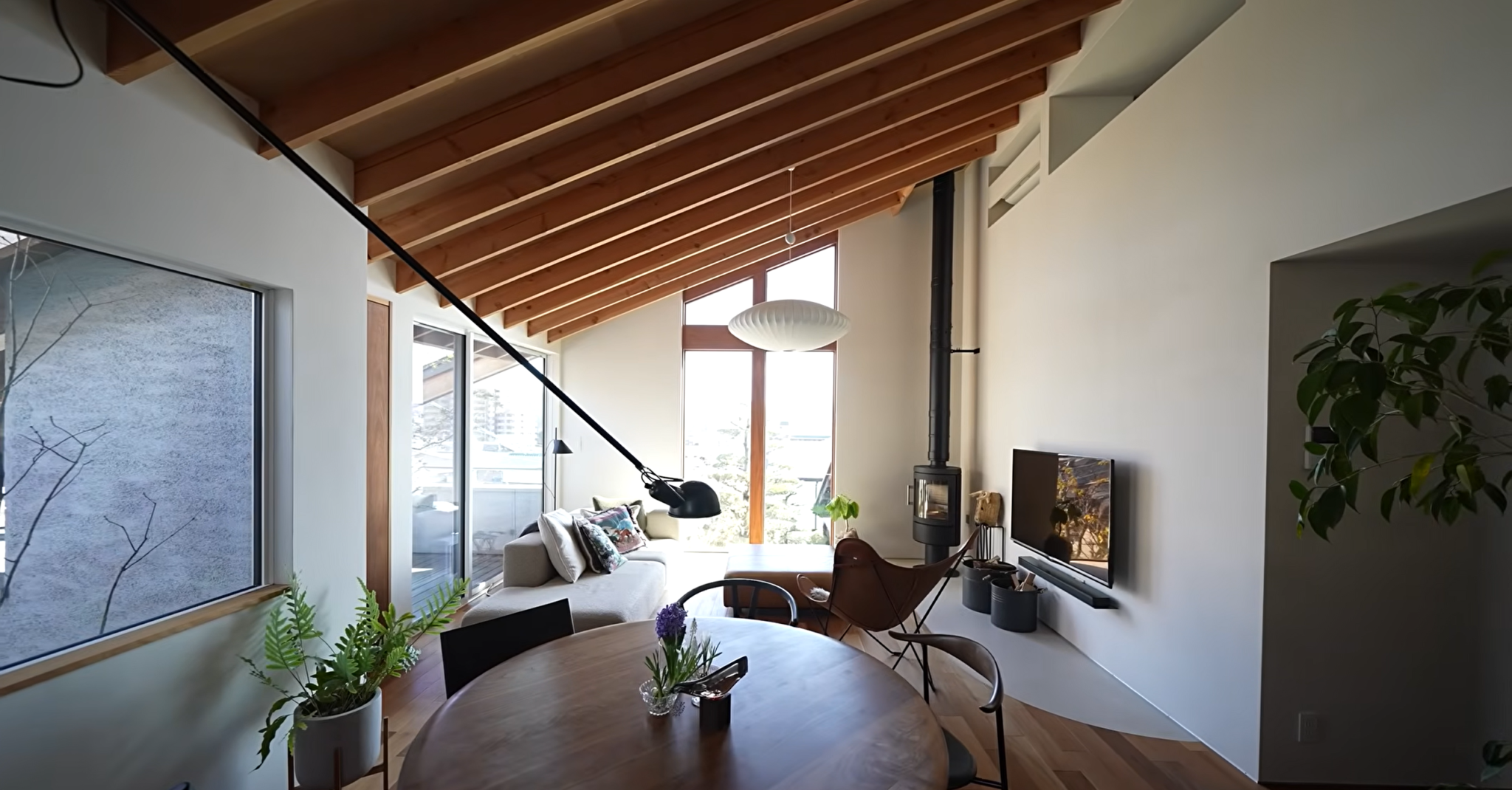
你有没有算过:在家工作一小时,真正进入状态的时间,加起来有多少?常常刚坐下十分钟,就被手机、窗外的动静、身后走过的人打断了。
不是你自制力差,是你的环境在不停地”打断”你。
两千多年前,庄子讲过一个匠人的故事。《庄子·达生》里,木匠梓庆做乐器架,成品惊为神作。鲁侯问他诀窍,他说自己斋戒静心:斋戒三天,忘掉的是功名利禄;斋戒五天,忘掉的是别人的评价;斋戒七天,”忘吾有四肢形体也”——连自己的身体都忘了,只剩手和木头。这就是”以天合天”:以自己的天性,去合树木的天性。
心流的本质,就是”忘我”。而忘我有一个前提:环境不捣乱。
注意力是有限资源,这一点是脑科学公认的。研究普遍发现,一次被打断之后,大脑需要一段时间才能重新回到深度状态;而更隐蔽的是,环境不仅是干扰的来源,还是注意力的提示源——桌面乱,大脑就收到”还有很多事”的信号;桌上散落的杂物、屏幕旁亮着的手机,会持续地分走一部分注意力,让你的大脑永远差一口气,进不了状态。
所以,专注不是靠意志力,是靠设计。想让家替你守住注意力,记住三件事:
第一,工作台背对干扰。桌子不要正对门和窗,最好面向墙。人的视觉系统对移动的东西天生敏感,视野里有人走动,大脑就忍不住追踪——背过去,就断了这个念想。
第二,工具归位。给每样工具一个固定位置,用完放回。找东西是注意力税,看似几秒钟,一天要交几十次。
第三,桌面清空。桌上只留当下这一件事的东西。”以天合天”放在书桌上,就是:桌面上只有一件事,大脑就只想一件事。
第四,手机物理隔离。工作时把手机放到另一个房间或抽屉里。看不见,大脑就不会惦记,这是对注意力最直接的尊重。
梓庆忘掉身体,才做出神物。你清空桌面,才找回自己。
你的家不是用来看的,是用来养你的大脑的。
Have you ever counted: in an hour of working from home, how much time do you actually spend in a state of real focus? Often, barely ten minutes after you sit down, something interrupts — a phone, a sound outside the window, someone walking behind you.
It’s not that your willpower is weak — it’s that your environment keeps “interrupting” you.
More than two thousand years ago, Zhuangzi told a craftsman’s story. In “Mastering Life,” the woodworker Qing made a bell stand, and the finished work was hailed as divine. The Marquis of Lu asked his secret; Qing said he fasted and calmed his mind: after three days of fasting, he forgot fame and profit; after five days, he forgot the judgments of others; after seven days, “I forgot I had a body and limbs” — only his hands and the wood remained. This is “matching nature with nature”: meeting the tree’s nature with his own.
The essence of flow is “self-forgetting.” And self-forgetting has one precondition: the environment must not interfere.
That attention is a limited resource is accepted across brain science. Research consistently finds that after an interruption, the brain needs time to return to a deep state; and more insidiously, the environment is not only a source of distraction but a cue for attention — a cluttered desk sends the brain the signal “there’s still so much to do”; stray objects on the table and the glowing phone beside the screen continuously siphon off a share of attention, leaving your brain one breath short of entering the zone.
So focus is not achieved through willpower — it is achieved through design. If you want your home to guard your attention for you, remember three things:
First, turn your workspace away from distractions. Don’t face the door or window — face a wall. The human visual system is innately sensitive to moving things; when people move in your field of view, the brain can’t help tracking them. Turn your back, and the temptation is gone.
Second, return tools to their places. Give every tool a fixed position and put it back after use. Searching for things is an attention tax — a few seconds each time, but dozens of payments a day.
Third, clear the desk. Keep only the materials for the current task on the table. “Matching nature with nature” on a desk means: when the desk holds one thing, the brain thinks of one thing.
Fourth, physically isolate your phone. During work, put it in another room or a drawer. Out of sight, out of mind — this is the most direct respect you can pay your attention.
Qing forgot his body and made a divine object. Clear your desk, and you find yourself again.
Your home is not for looking at — it is for nurturing your brain.