Sitting in Forgetfulness: Too Tired to Rest? Your Home Needs a Corner to Lose Yourself | XERLIFE+ Journal
你有没有发现:周末躺在沙发上刷了一天手机,傍晚起来,头昏脑涨,比上班还累。更奇怪的是,明明”休息”了一整天,心里却空落落的。你回想一下,最近一次真正”放空”,是什么时候?休息不是”躺着”,休息是让大脑真正关机。
庄子在《大宗师》里写了一个词:坐忘。”堕肢体,黜聪明,离形去知,同于大通,此谓坐忘。”放下身体的存在感,关闭聪明才智,离开形体和认知,与大道相通——这就是坐忘。两千多年前的庄子,描述的其实是大脑的一种珍贵状态:什么都不想,什么都不处理,把自己完全交给当下。
现代脑科学给它起了个名字:默认模式网络。研究普遍发现,大脑在”无事可做”时会启动这套网络,负责整理记忆、整合经验、产生灵感——很多好主意,都是在发呆、洗澡、散步时冒出来的。研究普遍发现,经常练习冥想的人,这套网络的活动模式会变得更健康,走神和反刍更少。但它有个前提:需要低负荷的环境。当感官不断被屏幕、信息、声音轰炸时,大脑忙于处理外部刺激,默认模式网络难以启动,自我参照的念头(”我还有什么事没做?”)反而越转越强。换句话说,休息的质量,取决于环境允许大脑”下线”的程度——休息无效,是因为环境根本没允许大脑休息。
在家里,给”坐忘”留两个位置。
第一,一个冥想角。一张蒲团、一块地毯就够了。光线要柔和,用间接光或自然光;朝向窗外或白墙,千万别对着电视和手机。每天十五分钟,只坐着,什么都不干,让大脑自己整理自己。
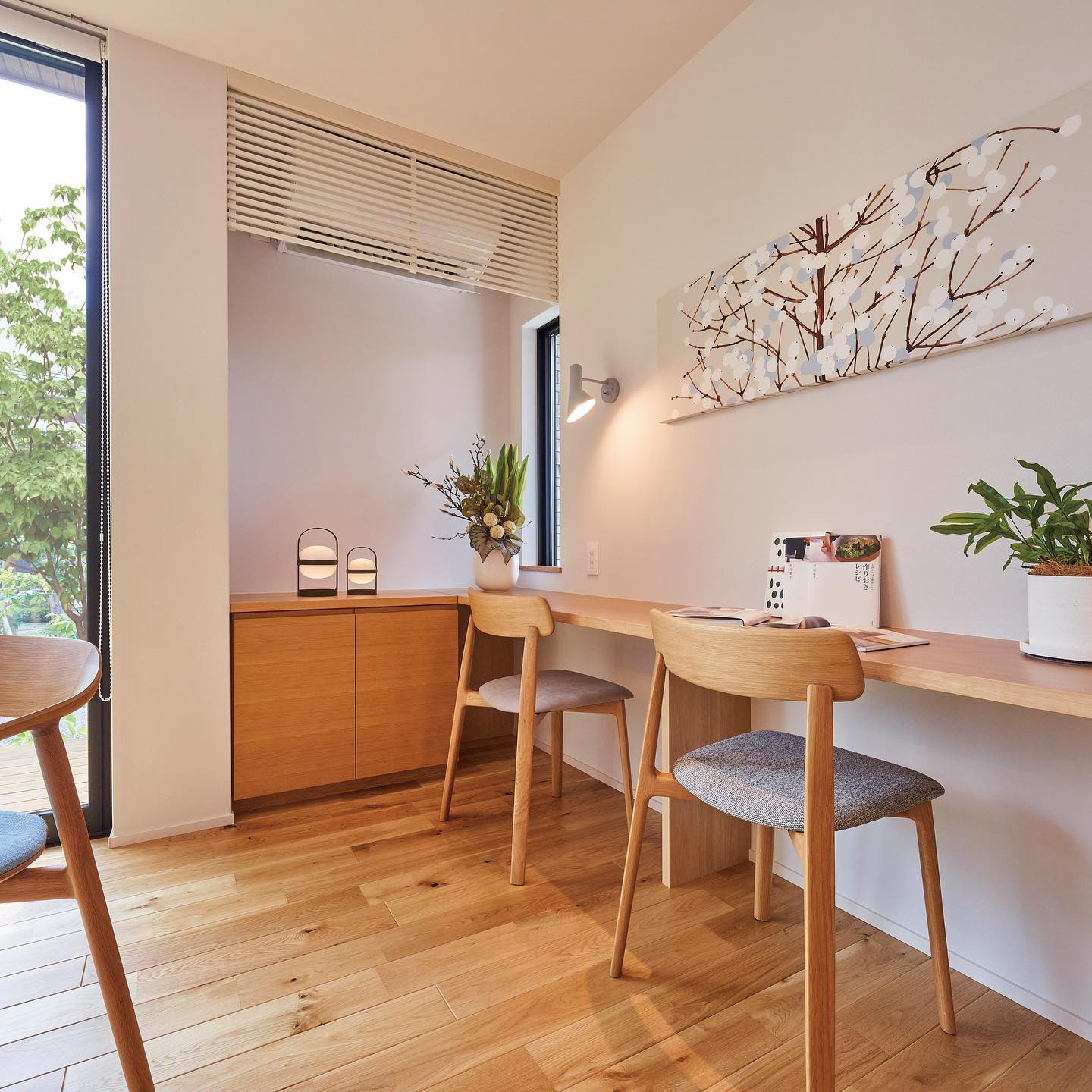
第二,一个数字斋戒角。在玄关或客厅设一个”手机停车场”:回家就把手机放进去,不进卧室、不上餐桌。物理隔离,是大脑关机的前提。有条件的话,把这个角落布置得舒服一点:一把好椅子、一扇不被打扰的窗。
庄子说”离形去知,同于大通”——放下手机的那一刻,你才真正回到了家。
你的家不是用来看的,是用来养你的大脑的。
Have you noticed: on weekends you lie on the sofa scrolling your phone all day, and when evening comes you rise with a foggy head, more exhausted than after work. Stranger still, after a whole day of “rest,” you feel hollow inside. Think back — when was the last time you truly “emptied out”? Rest is not “lying down.” Rest is letting the brain truly shut down.
In the “Great Ancestral Teacher,” Zhuangzi wrote a phrase: zuo wang, sitting in forgetfulness. “Drop the body, banish cleverness, leave form and knowledge behind, and merge with the Great Passage — this is sitting in forgetfulness.” Let go of the body’s presence, switch off intellect, leave form and cognition, and connect with the great Way. Two thousand years ago, Zhuangzi was describing a precious state of the brain: thinking nothing, processing nothing, giving yourself entirely to the present.
Modern brain science gave it a name: the Default Mode Network. Research consistently finds that when there is “nothing to do,” the brain activates this network, responsible for organizing memories, integrating experience, and generating inspiration — many great ideas surface while staring into space, in the shower, or on a walk. Research also consistently finds that people who practice meditation regularly develop healthier activity patterns in this network, with less mind-wandering and rumination. But there’s a precondition: it needs a low-load environment. When the senses are constantly bombarded by screens, information, and sound, the brain is busy processing external stimuli and the DMN struggles to start; self-referential thoughts (“what haven’t I done yet?”) spin ever stronger instead. In other words, the quality of rest depends on how far the environment allows the brain to “go offline” — ineffective rest means the environment never permitted the brain to rest at all.
At home, leave two places for “sitting in forgetfulness.”
First, a meditation corner. A cushion and a small rug are enough. Light should be soft — indirect or natural; face the window or a plain wall, never the TV or your phone. Fifteen minutes a day, just sitting, doing nothing, letting the brain sort itself out.
Second, a digital-fasting corner. Set up a “phone parking lot” at the entry or in the living room: the moment you come home, the phone goes in — not into the bedroom, not onto the dining table. Physical separation is the precondition for the brain to shut down. If conditions allow, make this corner comfortable: a good chair, a window that isn’t disturbed.
Zhuangzi said “leave form and knowledge, merge with the Great Passage” — the moment you put down your phone, you truly come home.
Your home is not for looking at — it is for nurturing your brain.