Less Is More, More Is Confusion: A Cluttered Home Exhausts You | XERLIFE+ Journal
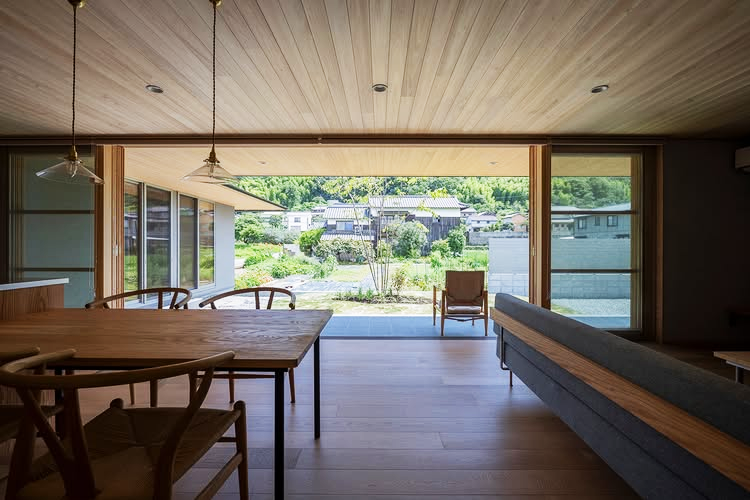
你有没有这种感觉:下班回家,看到餐桌上堆着快递、遥控器、水杯和零食,沙发上摊着没叠的衣服,茶几上还留着昨天没扔的包装袋——还没坐下,先叹一口气。越是堆满东西的家,越让人觉得没地方坐:不是身体没地方,是眼睛没地方。明明刚收拾过,为什么家里总是”满”的?为什么东西越多,心里越堵?
老子在《道德经》第二十二章说:”少则得,多则惑。”意思很简单:少,反而有所得;多,反而让人迷惑。
这句两千多年前的话,今天的脑科学给出了完全相同的答案。人的工作记忆容量极其有限,一次只能同时处理少数几件事。研究普遍发现,视觉上的杂乱会持续占用注意力资源:每一件多余的物品,都在向大脑发出”注意我”的信号。东西越多,大脑需要过滤的信息就越多,做决定就越慢、越累。这就是”选择过载”与”决策疲劳”——每多一个选择,就多一次权衡,你的脑力就在这些鸡毛蒜皮里被一点点耗尽。你以为你在休息,其实你的大脑一直在做无声的排除法,一刻都没停过。
所以,收纳的底层逻辑不是”藏起来”,而是”减下去”。收得再好,东西还在,大脑就还在站岗。
第一,给物品做减法。先扔再收。半年没碰过的东西,不是”以后用得上”,是”以后再也不会用”。扔的时候心疼一下,换来的是每天不心疼。
第二,台面不超过三样。餐桌、茶几、书桌,永远只留当下要用的东西,三样以内。台面空,心才空,这是家里最容易见效的一条。想找什么一眼就找到,这种”不用找”的爽感,就是”得”。
第三,一物一位。每样东西有且只有一个固定位置,用完归位。找不到东西的焦虑,多半源于”它没有家”——给物品安了家,你的大脑就不用天天帮你找东西。
第四,定期清空。每周挑一个区域——一个抽屉、一层书架、一个柜子——清空再放回。清理的不是物品,是你大脑的缓存;扔掉的每一袋东西,都是你替大脑卸下的一件心事。
老子说”少则得”:当你把家里减到最少,你会发现得到的不是空,而是轻松——大脑不用再替物品站岗,省下来的注意力,才真正属于你自己。家是给人住的,不是给东西住的。少,是给大脑腾地方;空,是给日子留余地。
你的家不是用来看的,是用来养你的大脑的。
Have you ever felt this: you come home from work, and the dining table is piled with packages, remote controls, cups, and snacks; the sofa is draped with unfolded clothes; yesterday’s packaging bags still sit on the coffee table — before you even sit down, you sigh. The more cluttered the home, the more it feels like there’s nowhere to sit: not because your body has no space, but because your eyes have no space. You just tidied up — why does the home always feel “full”? Why does the more stuff you have, the more suffocated you feel?
In Chapter 22 of the Tao Te Ching, Laozi says: “Less is gain; more is confusion.” The meaning is simple: with less, you gain; with more, you are bewildered.
Two thousand years later, brain science arrives at exactly the same answer. Human working memory is extremely limited — you can only process a few things at once. Research consistently finds that visual clutter continuously occupies attentional resources: every extra item sends a “notice me” signal to the brain. The more stuff you have, the more information the brain must filter, and the slower and more exhausting every decision becomes. This is “choice overload” and “decision fatigue” — each additional choice means another trade-off, and your mental energy is drained bit by bit in these trivialities. You think you’re resting, but your brain is silently running an elimination algorithm, never pausing for a moment.
So the underlying logic of organizing is not “hiding things away” — it is “reducing them.” However neatly you store them, if the things remain, the brain remains on guard duty.
First, subtract from your possessions. Throw away first, then store. Anything you haven’t touched in six months is not “might use later” — it’s “will never use again.” It hurts for a moment when you throw it away; in exchange, it stops hurting every day.
Second, keep surfaces to three items or fewer. The dining table, coffee table, and desk should only hold what you’re using right now — three items or fewer. An empty surface makes an empty mind; this is the easiest rule in the home to see results. Finding what you need at a glance — the pleasure of “no searching” — that is the “gain.”
Third, one thing, one place. Everything has exactly one fixed home, and returns there after use. The anxiety of not finding things mostly comes from “it has no home” — give your possessions homes, and your brain no longer has to hunt for them every day.
Fourth, clear out regularly. Each week pick one zone — a drawer, a shelf, a cabinet — empty it and put things back deliberately. What you’re clearing isn’t objects; it’s your brain’s cache. Every bag you throw away is a burden lifted from your brain.
Laozi said “less is gain”: when you reduce your home to the minimum, you find that what you gain is not emptiness but ease — the brain no longer stands guard over objects, and the attention you save truly belongs to you. A home is for people to live in, not for things. Less is making room for the brain; empty is leaving space for life.
Your home is not for looking at — it is for nurturing your brain.