Dao Follows Nature: Why Your Brain Craves Imperfection | XERLIFE+ Journal
你去过那种造价千万、一丝不苟的”豪装”吗?每一块大理石的花纹都对齐了,每一条缝都是毫米级的,每一盏灯都精确指向它该照的地方。但你在里面站了十分钟就想走,不是因为它不好看——是因为它太”正确”了,正确到没有生命。
老子说:”人法地,地法天,天法道,道法自然。”在空间里,”自然”不是指放几盆绿植,不是指用木色代替白色。”自然”指向一个更深的特质:允许不完美、允许变化、允许时间留下痕迹。
现代神经科学已经证明了”不完美”的生物学价值。日本学者研究了”侘寂”(Wabi-sabi)美学中的神经机制:当人接触带有自然纹理、手工痕迹、岁月磨损的物体时,前额叶的审查机制降低,默认模式网络被激活——这意味着大脑从”分析模式”切换到了”感受模式”。你不再去评判这个空间”好不好看”,你开始感受它”舒不舒服”。
相反,一个过于完美的空间让大脑持续处于”比较模式”:这个线条有没有偏?那个颜色对不对?这种持续的细节扫描消耗大量认知资源,制造无形的紧张感。你在一个完美空间里待得累,不是因为你矫情——是你的前额叶在加班。
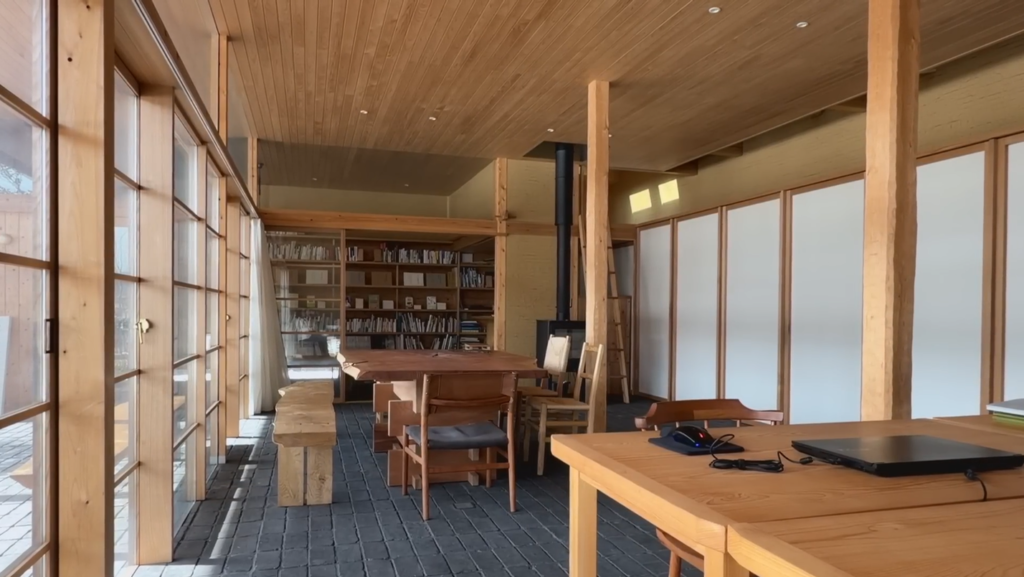
三个自然化设计入口。第一,允许不对称:你不需要把两盏床头灯配成一对。不同的高度、不同的色温、不同的材质——它更接近自然的随机性,大脑反而觉得安全。第二,引入”会变”的材料:实木的纹理随湿度变化,铜器的表面随时间氧化,阳光在一天中不断移动角度。这种动态变化让空间”活”起来——你的大脑天生对变化有反应,对不变产生麻木。第三,保留一点丑:不是故意丑,是保留某一处不完美。一面没抹平的墙、一根没刷完漆的木梁、一块保留自然边缘的石板。这些”不完美”释放的信号是:这里不需要完美,所以你也可以放松。
道法自然,说到底就一句话:让空间像自然一样运转——有生命、会变化、不完美,这样你的大脑才能和它一起呼吸。
Have you ever visited one of those “luxury renovations” costing tens of millions, executed with flawless precision? Every marble grain aligned, every seam measured to the millimeter, every lamp aimed exactly where it should shine. Yet after ten minutes inside, you want to leave. Not because it’s ugly — because it’s too “correct.” So correct it has no life.
Laozi said: “Humans follow the earth; the earth follows heaven; heaven follows Dao; Dao follows nature.” In space, “nature” doesn’t mean a few potted plants, or replacing white with wood tones. “Nature” points to something deeper: allowing imperfection, allowing change, allowing time to leave its marks.
Modern neuroscience has demonstrated the biological value of “imperfection.” Japanese researchers studied the neural mechanisms behind wabi-sabi aesthetics: when people touch objects with natural texture, handcrafted traces, and the wear of age, the prefrontal cortex’s scrutiny decreases and the default mode network activates — meaning the brain shifts from “analysis mode” to “feeling mode.” You stop judging whether the space “looks good” and start feeling whether it “feels right.”
In contrast, an overly perfect space keeps the brain in constant “comparison mode”: is this line slightly off? Is that color right? This continuous detail-scanning consumes massive cognitive resources and creates invisible tension. You feel tired in a perfect space not because you’re being fussy — your prefrontal cortex is working overtime.
Three entry points for naturalizing a space. First, allow asymmetry: you don’t need two matching bedside lamps. Different heights, different color temperatures, different materials — closer to nature’s randomness, and the brain actually feels safer. Second, introduce materials that “change”: solid wood’s grain shifts with humidity, copper oxidizes over time, sunlight moves its angle through the day. This dynamic change makes a space “alive” — your brain responds to change by nature and goes numb to sameness. Third, keep a little ugliness: not deliberately ugly, but one imperfection kept on purpose. An unpainted wall patch, a beam with unfinished lacquer, a stone slab with its natural edge. What these “imperfections” signal is: this place doesn’t demand perfection, so you can relax too.
Dao follows nature, in the end, is one sentence: let a space operate like nature — alive, changing, imperfect. Only then can your brain breathe with it.