Why Feng Shui Is Actually Early Spatial Neuroscience | XERLIFE+ Journal
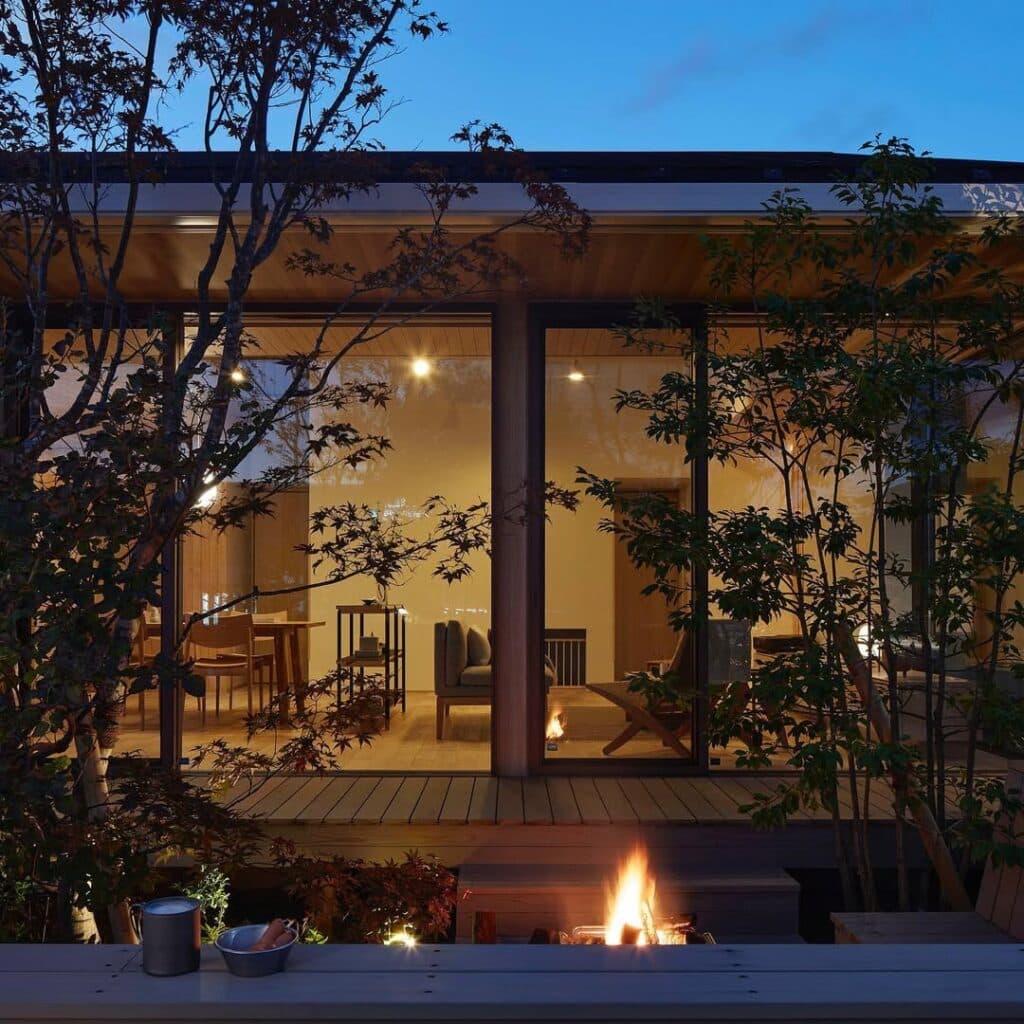
风水常被贴上”迷信”标签。但我研究了三年,发现一件有趣的事:风水里至少70%的规则,能被现代神经科学解释。结论是:风水是中国古人用经验主义建立的一套”空间心理学模型”。他们没有fMRI,但他们有5000年的人体实验数据。
风水的五个核心,科学翻译
藏风聚气 = 环境可预测性理论。风水讲究空间围合、避免穿堂风。脑科学解释:围合空间让杏仁核感知”边界安全”,降低警戒层级。背有靠山 = 安全锚点。沙发要靠墙,床要有靠。脑科学解释:人类背侧无视觉覆盖。背后有实体墙面,等于大脑不必分配注意力资源监控后方。明堂开阔 = 视野—安全信号。门前开阔、窗外无遮挡。脑科学解释:开阔视野让视觉皮层接收到”远距离安全信号”,缓解被包围的压力。曲则有情 = 曲线—友好信号。路要弯不要直冲,河要绕不要直走。脑科学解释:曲线激活副交感神经;直线和锐角激活杏仁核的警戒模式。光厅暗房 = 昼夜节律照明。客厅要亮、卧室要暗。脑科学解释:不同照度和色温调控松果体的褪黑素分泌,维持正常的睡眠-觉醒周期。
结论
风水不是玄学。它是古代建筑师在没有神经科学词汇的情况下,用5000年时间观察”什么样的空间让人过得好”,然后把答案编成口诀。我们这代人要做的事不是迷信风水,也不是否定风水——是用科学重新翻译它。
Feng Shui is often labeled as “superstition.” But after three years of research, I’ve discovered something interesting: at least 70% of Feng Shui principles can be explained by modern neuroscience. The conclusion: Feng Shui is an empirical “spatial psychology model” built by ancient Chinese over millennia. They didn’t have fMRI, but they had five thousand years of human experimental data.
Feng Shui’s Five Core Principles, Scientifically Translated
Cáng Fēng Jù Qì (Hiding from Wind, Gathering Qi) = Environmental Predictability Theory. Feng Shui emphasizes spatial enclosure and avoiding drafts. Neuroscience explanation: Enclosed spaces let the amygdala perceive “boundary safety,” lowering alertness levels. Bèi Yǒu Kào Shān (Back Against the Mountain) = Safety Anchor. The sofa should be against a wall; the bed needs backing. Neuroscience explanation: Humans have no visual coverage on their dorsal side. A solid wall behind you means the brain doesn’t need to allocate attention resources to monitor the rear. Míng Táng Kāi Kuò (Open Bright Hall) = Visual Field Safety Signal. Open space in front of the door, unobstructed views outside the window. Neuroscience explanation: An open view lets the visual cortex receive a “long-distance safety signal,” relieving the pressure of being surrounded. Qū Zé Yǒu Qíng (Curves Have Affection) = Curved Lines as Friendly Signals. Paths should curve, not charge straight; rivers should meander, not run directly. Neuroscience explanation: Curves activate the parasympathetic nervous system; straight lines and sharp angles activate the amygdala’s alert mode. Guāng Tīng Àn Fáng (Bright Hall, Dark Room) = Circadian Rhythm Lighting. The living room should be bright; the bedroom should be dark. Neuroscience explanation: Different illuminance levels and color temperatures regulate the pineal gland’s melatonin secretion, maintaining a normal sleep-wake cycle.
Conclusion
Feng Shui is not mysticism. It is ancient architects, lacking the vocabulary of neuroscience, spending five thousand years observing “what kind of space helps people live well,” then encoding the answers into rhymes. Our generation’s task is neither to blindly believe in Feng Shui nor to dismiss it — it’s to re-translate it with science.