The Science of Bedrooms: Why You Still Can’t Sleep After Changing Your Mattress | XERLIFE+ Journal
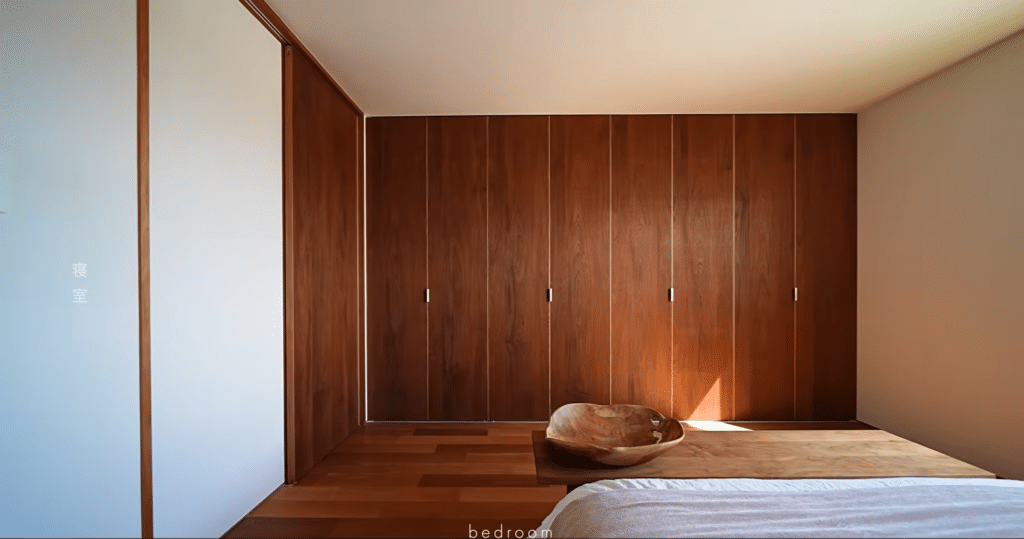
你换了乳胶床垫、买了遮光窗帘、连枕头都换了三个——还是睡不好。问题可能不在床上。在墙上。
大脑的安全扫描系统
人的大脑在入睡前会做最后一件事:扫描环境安全性。这个功能由杏仁核负责,它会在你闭眼后的几分钟内,对周围空间做一次快速的”威胁评估”。如果评估结果是”安全”,前额叶接管,进入放松状态。如果评估结果是”不确定”,杏仁核保持激活——你翻来覆去,就是睡不着。
什么让杏仁核不安?头顶的横梁、床对面的大镜子、门正对着床、床头柜上堆满杂物每一样都在发”环境不可预测”的信号。更有趣的是,你白天可能完全注意不到这些东西——但你的杏仁核一直在看。
卧室设计的三个黄金法则
视线控制:躺在床上时,你能看到的每一件东西,大脑都在处理。减少可视物品到10件以下。衣柜关好,书塞进柜子,充电线藏起来。
安全感锚点:床必须有一面靠墙,且从床上能看到门。这是人类最原始的睡眠本能——背靠安全,面对入口。住酒店时你觉得不舒服?多半是床的朝向违背了这个本能。
光线过渡:睡前30分钟,卧室照度应降到30lux以下(大约一盏小夜灯的亮度)。不只是”关大灯”——灯带、窗帘缝、路由器指示灯,都要遮。
记住:你不是失眠,是你的杏仁核不放心。
You’ve swapped to a latex mattress, bought blackout curtains, changed your pillow three times — and you still can’t sleep well. The problem might not be on the bed. It’s on the walls.
The Brain’s Safety Scanning System
The human brain does one last thing before falling asleep: it scans the environment for safety. This function is handled by the amygdala, which conducts a rapid “threat assessment” of the surrounding space within minutes of closing your eyes. If the assessment returns “safe,” the prefrontal cortex takes over and you enter relaxation. If it returns “uncertain,” the amygdala stays activated — you toss and turn, unable to sleep.
What unsettles the amygdala? An overhead beam, a large mirror facing the bed, the door aligned directly with the bed, a nightstand piled with clutter — each one sends a signal of “environmental unpredictability.” What’s more interesting is that you might not notice any of these things during the day — but your amygdala has been watching the whole time.
Three Golden Rules of Bedroom Design
Visual control: When lying in bed, your brain processes every single thing you can see. Reduce visible items to fewer than ten. Close the wardrobe, put books in cabinets, hide charging cables.
Safety anchor: The bed must have one side against a wall, and you must be able to see the door from the bed. This is humanity’s most primal sleep instinct — back to safety, facing the entrance. Feeling uncomfortable in a hotel room? Chances are the bed orientation violates this instinct.
Light transition: Thirty minutes before bed, bedroom illuminance should drop below 30 lux (roughly the brightness of a small night light). Not just “turn off the main light” — LED strips, curtain gaps, router indicator lights — cover them all.
Remember: You’re not an insomniac — your amygdala just isn’t at ease.